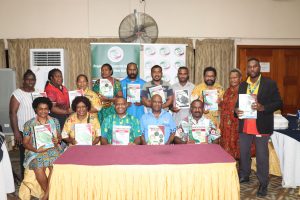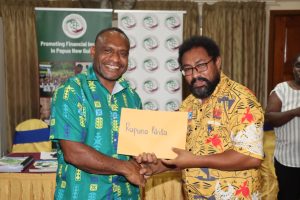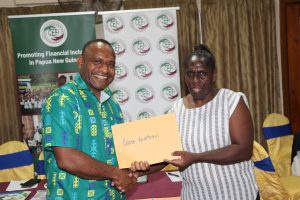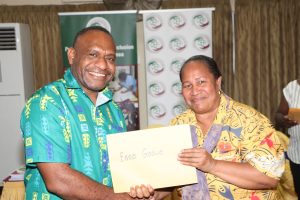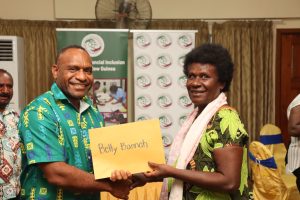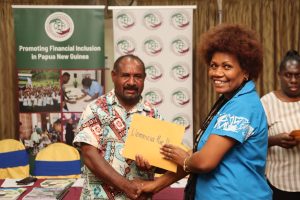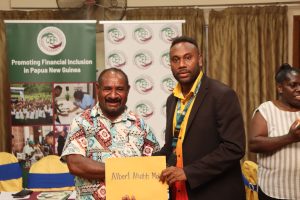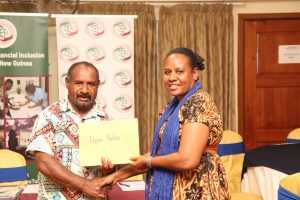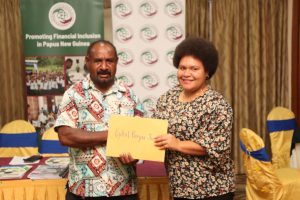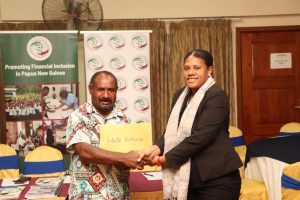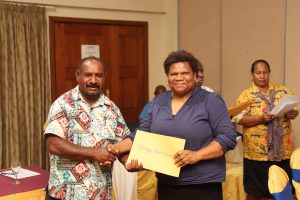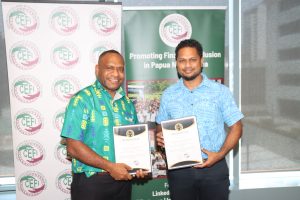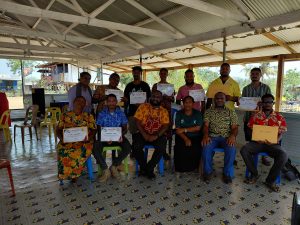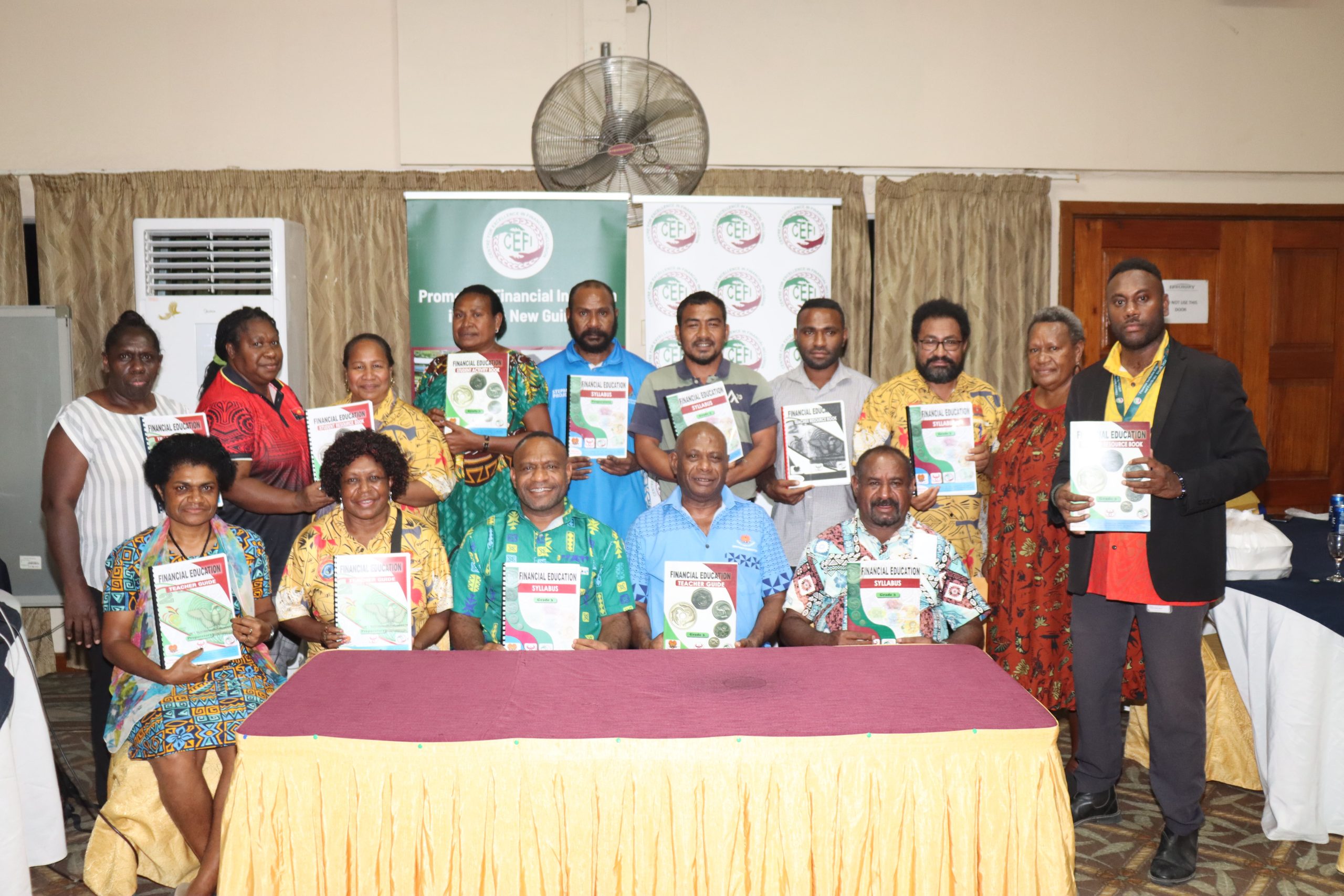
The development of Papua New Guinea’s Financial Education Curriculum has reached a significant milestone following the successful conclusion of a two-week validation workshop for Preparatory to Grade 6 learning materials in Port Moresby on 16 October 2026.
The workshop brought together curriculum specialists, teachers and key stakeholders to review and validate the draft syllabus, teachers’ guides and supporting learning materials, marking another important step towards integrating financial education into the national education system.
Speaking at the official closing, First Assistant Secretary for the Curriculum Development Division (CDD) of the Department of Education, Mr Steven Tandale, commended the commitment and collaborative efforts of all stakeholders involved in developing the curriculum.
Mr Tandale acknowledged the significant progress achieved, particularly the completion of draft curriculum materials for Preparatory to Grade 6, describing the achievement as an important milestone in the country’s financial education journey.
He recognised the contributions of curriculum officers, writers, designers and participating teachers, whose expertise and dedication had been instrumental throughout the development and validation process.
However, Mr Tandale emphasised that further work was necessary before the curriculum could be formally introduced into schools.
He explained that the next phase would involve piloting the materials in selected classrooms, gathering teachers’ feedback and making necessary improvements before final approval and implementation.
He confirmed that the curriculum materials had received approval in principle from the Board of Studies, with formal endorsement expected following completion of the remaining requirements.
Mr Tandale also highlighted the importance of adequate teaching resources, specialised teacher training and proper curriculum scheduling to ensure effective implementation.
He acknowledged the financial and logistical challenges associated with printing and distributing learning materials nationwide, reaffirming the Department’s commitment to working with CEFI to address these requirements.
Looking ahead, Mr Tandale outlined plans to extend financial education curriculum development to Grades 7 to 12 and proposed renewing the existing MoU to accommodate secondary education and other related activities.
CEFI Acting Executive Director, Mr Peter Samuel, reaffirmed the organisation’s commitment to supporting the implementation of financial education in schools, emphasising its importance in developing financially responsible future generations.
Mr Samuel commended the Department of Education for its leadership and acknowledged the dedication of curriculum specialists, teachers and stakeholders who contributed to the workshop’s success.
He stressed that introducing financial education at an early age was essential to addressing longstanding challenges associated with personal financial management, savings and responsible spending.
According to Mr Samuel, many Papua New Guineans had grown up without sufficient financial knowledge, making it increasingly important to equip children with practical money management skills through formal education.
He explained that integrating financial education into schools would help students understand the value of money, establish savings habits, set financial goals and make informed financial decisions.
Mr Samuel particularly emphasised the importance of promoting a savings culture, describing savings as a foundation for investment, financial independence and improved livelihoods.
He noted that although access to formal banking services had expanded, encouraging consistent savings habits remained an important challenge.
Mr Samuel further highlighted growing international interest in Papua New Guinea’s Financial Education Curriculum, particularly among Pacific Island nations, reflecting the country’s potential to demonstrate regional leadership in financial education.
He also acknowledged the curriculum’s earlier soft launch during the Alliance for Financial Inclusion Global Policy Forum in Port Moresby as another significant achievement.
In closing, both speakers expressed appreciation to participating teachers, curriculum specialists and stakeholders for their commitment throughout the validation process.
They reaffirmed their respective organisations’ commitment to advancing the remaining stages of curriculum development, including classroom piloting, teacher preparation and eventual nationwide implementation.
Ends.
Images: