+675 322 5300

Call to speak to our team

info@thecefi.org

Contact our team via email

Mon - Fri: 8:00 - 4:30

We maintain normal hours

Categories
News Article Uncategorized

Thirty New Financial Literacy Trainers to Champion Financial Inclusion Across Wau-Waria District

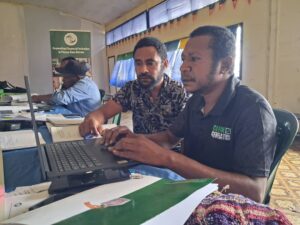
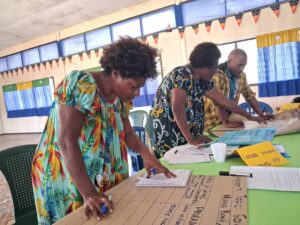
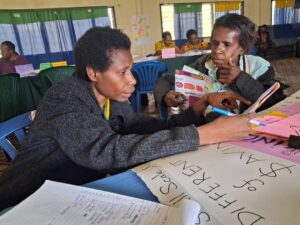
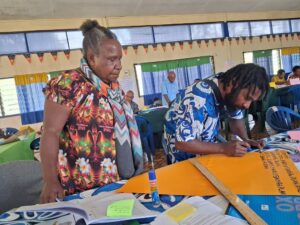
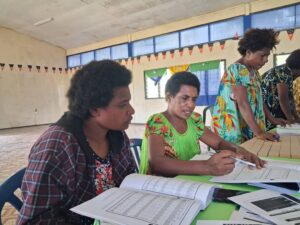
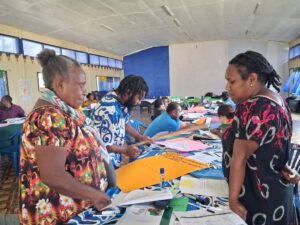
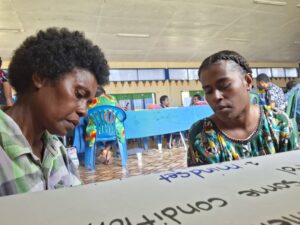
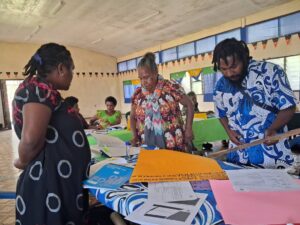
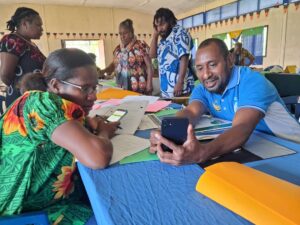
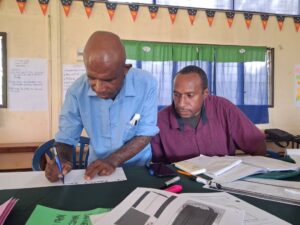
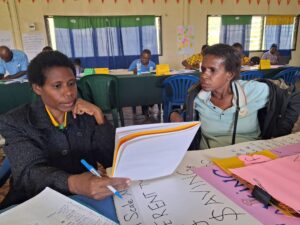
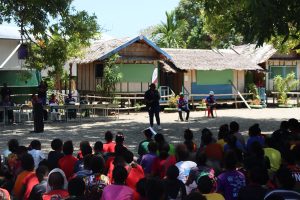
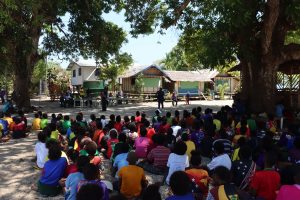
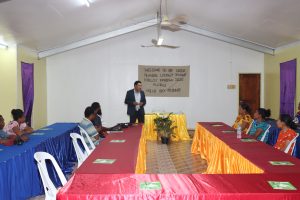
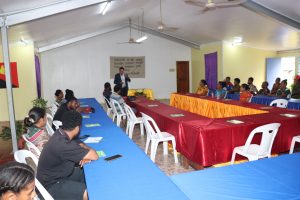
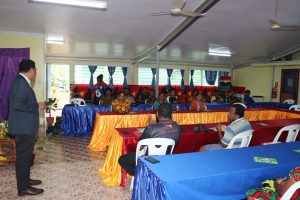
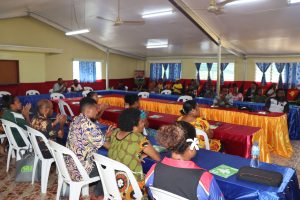
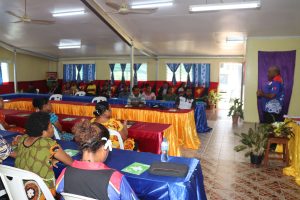
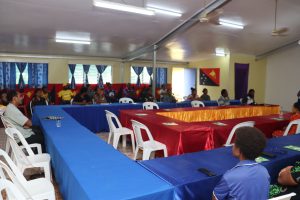
Thirty participants have successfully graduated from a five-day Financial Literacy Training of Trainers (ToT) programme delivered by the Centre for Excellence in Financial Inclusion (CEFI) in partnership with the Wau-Waria District Development Authority (WWDDA), marking another significant milestone in advancing financial inclusion and community empowerment in Papua New Guinea.

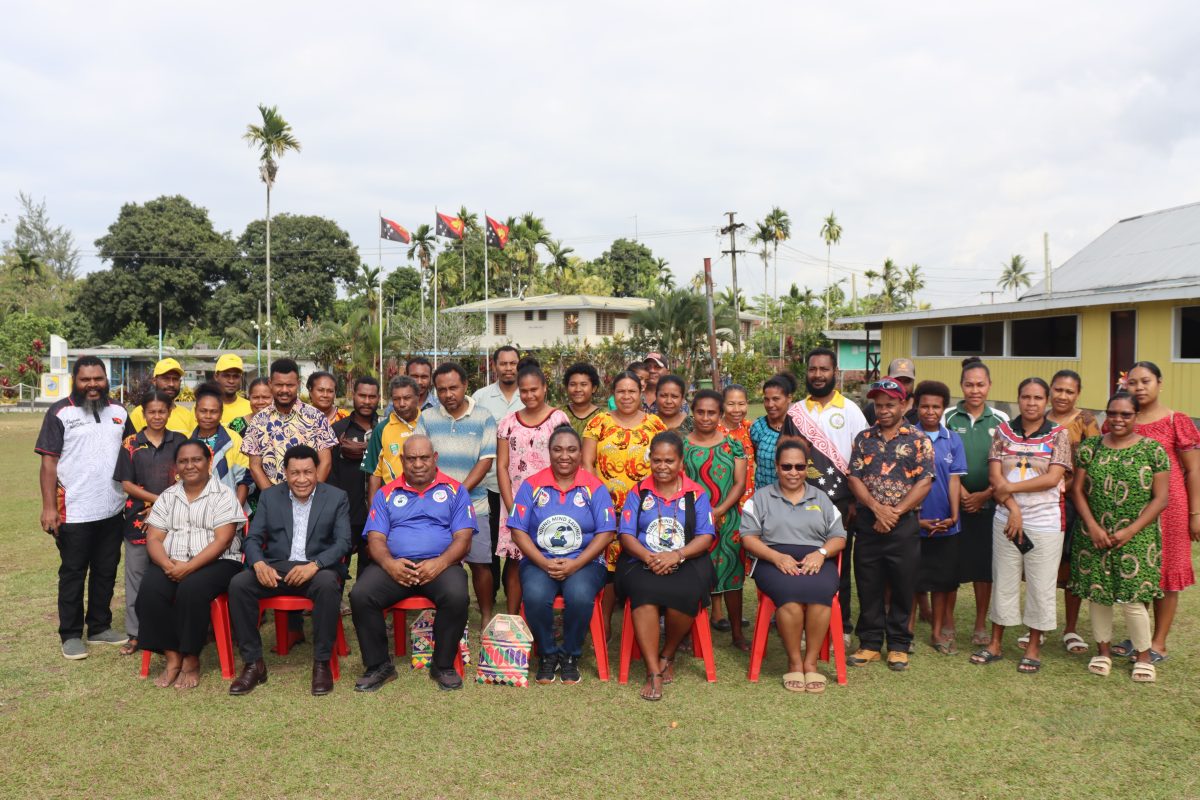
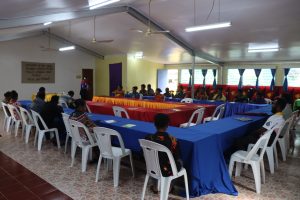
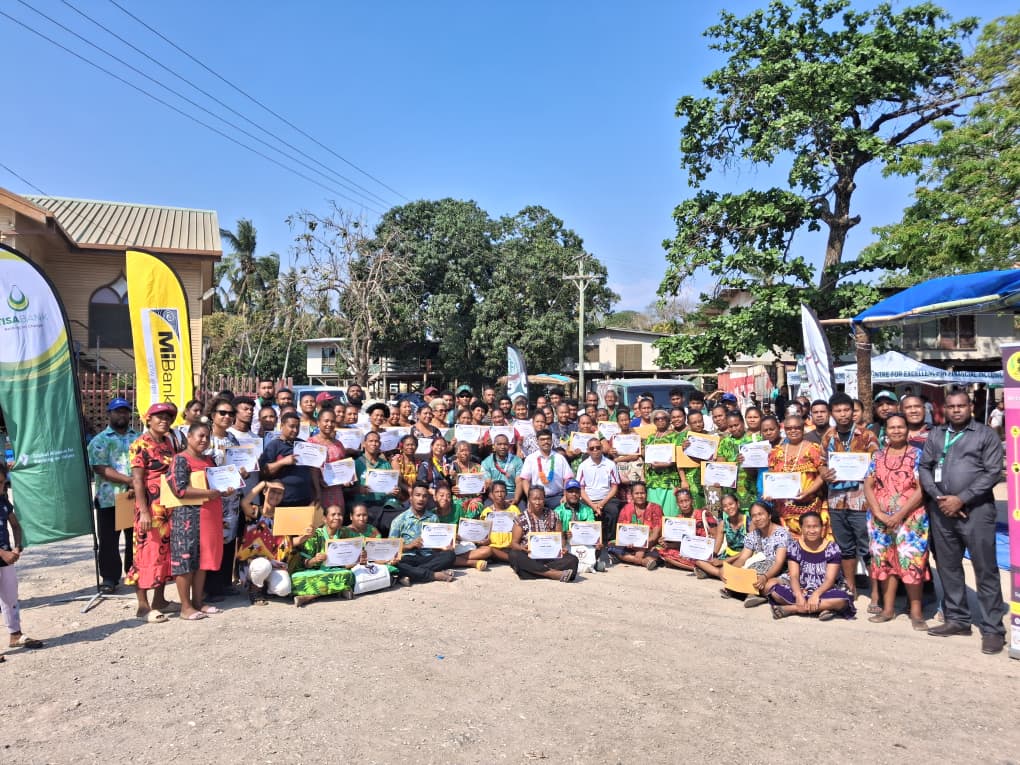
The training, held from 20–24 July 2026 at Kaindi Hall in Wau Town, brought together participants from across Wau-Waria District to build the knowledge, practical skills and confidence required to deliver financial literacy education within their own communities. Of the 30 graduates, 17 were male and 13 were female, all of whom are now recognised as Certified Financial Literacy Trainers by CEFI.
The programme was facilitated by CEFI Senior Financial Literacy Trainer, Mr Sebastian Mugup, who equipped participants with practical financial management knowledge, effective facilitation techniques and community-based training approaches to support financial education at the grassroots level.

The newly certified trainers will play a vital role in supporting the district’s financial literacy rollout by delivering community-based financial education programmes across wards and Local Level Governments (LLGs), helping more Papua New Guineans develop the skills and confidence to make informed financial decisions.

Speaking during the graduation ceremony, Mr Mugup congratulated the participants on their commitment, discipline and enthusiasm throughout the intensive five-day programme.

“Over the past five days, you have developed not only your financial literacy knowledge, but also the confidence and skills required to become effective trainers within your communities,” Mr Mugup said.

He reminded the graduates that their certification carried an important responsibility to serve others by sharing the knowledge they had acquired.

“Today is more than a graduation ceremony. You are graduating as Certified Financial Literacy Trainers, and you now have the responsibility to return to your communities and help people make better financial decisions,” he said.

Mr Mugup encouraged the graduates to work closely with ward councillors, community leaders, women’s groups, youth organisations, savings groups, cooperatives and small businesses to broaden financial literacy awareness throughout the district.

“Our people have money and resources. Your role as trainers is to help them understand how to manage their finances, develop saving habits, plan for the future and make responsible financial decisions that improve their livelihoods,” he said.

He acknowledged the leadership and commitment of the Wau-Waria District Development Authority and the Member for Wau-Waria Open Electorate, Honourable Marsh Narewec, MP, for recognising financial literacy as a key driver of community empowerment and sustainable economic development.

Mr Mugup said the partnership between CEFI and WWDDA demonstrates the value of collaboration between national institutions and district leadership in ensuring financial education reaches communities where it is needed most.

He noted that the initiative directly supports Papua New Guinea’s key national development frameworks, including the National Financial Inclusion Strategy 2023–2027, the National Financial Literacy Strategy, the National Financial Inclusion Policy, Vision 2050, and the Medium-Term Development Plan IV (2023–2027).

According to Mr Mugup, financial literacy is a fundamental pillar of financial inclusion because access to financial services alone is insufficient without the knowledge, skills and confidence to use those services effectively.

“Financial inclusion is not only about access to financial services. It is about ensuring people have the ability to manage their money, save for the future, make informed financial decisions, build assets and improve their livelihoods,” he said.

He added that financial literacy also strengthens entrepreneurship and small business development by equipping individuals with practical skills in budgeting, record-keeping, cash flow management, saving and responsible financial planning.

The National Financial Inclusion Strategy 2023–2027 identifies financial capability and financial education as essential enablers for increasing participation in the formal financial system and ensuring Papua New Guineans are able to make effective use of available financial products and services.

Wau-Waria District Development Authority Chief Executive Officer, Mr John Orebut, welcomed the initiative and encouraged community leaders, LLG managers and residents to support the district’s vision of establishing trained financial literacy trainers across every ward.

“In Papua New Guinea, many people do not have a strong culture of saving. It is important that these skills are shared throughout our communities so our people can better manage their hard-earned income and improve their financial wellbeing,” Mr Orebut said.

The graduation marks an important milestone for Wau-Waria District as it establishes a growing network of local financial literacy trainers committed to strengthening financial capability, promoting responsible money management and improving household financial resilience throughout the district.

Through the CEFI–WWDDA partnership, the 30 certified trainers will serve as financial literacy champions, helping individuals, families and communities adopt better saving habits, make informed financial decisions, strengthen household financial management and build more resilient and prosperous communities.

CEFI remains committed to working with government agencies, financial service providers, development partners and community organisations to expand financial inclusion and strengthen financial capability across Papua New Guinea.

Ends.

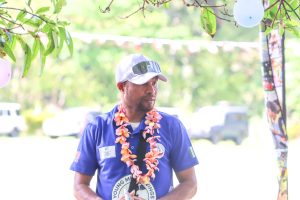
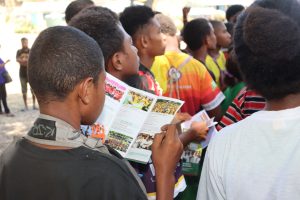
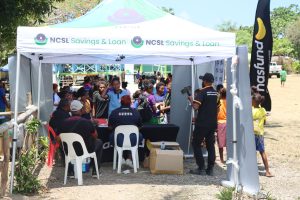
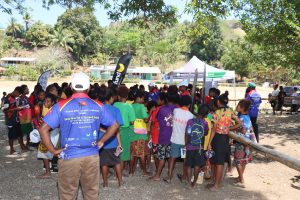
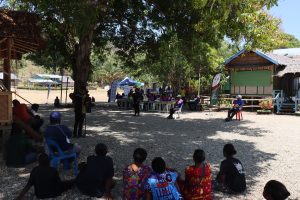
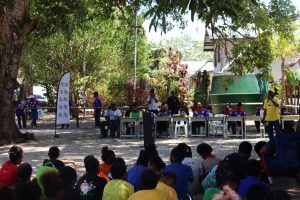
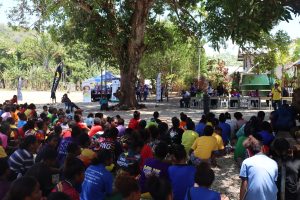
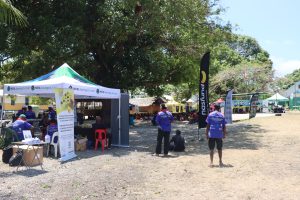
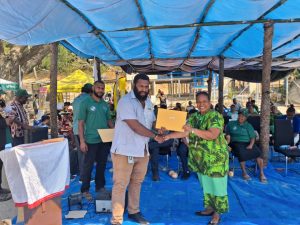
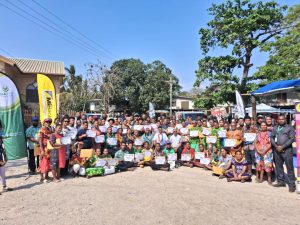
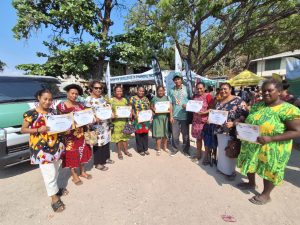
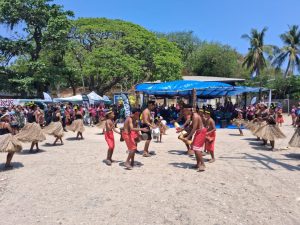
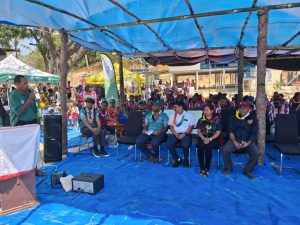
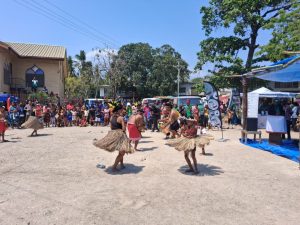
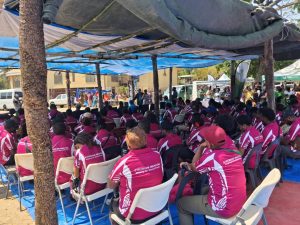
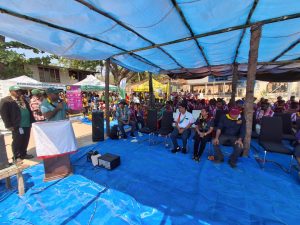
Caption for Images.

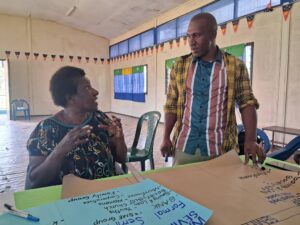
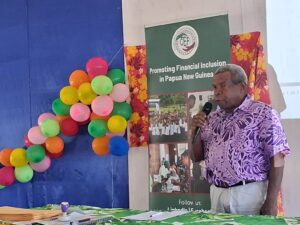
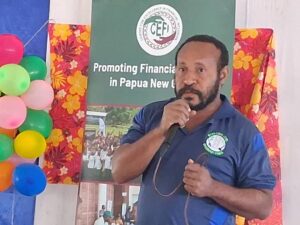
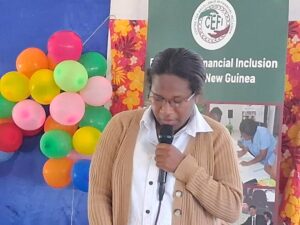
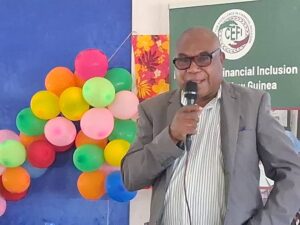
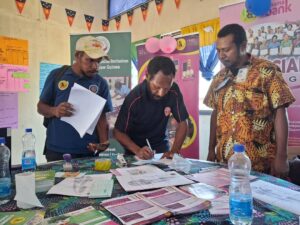
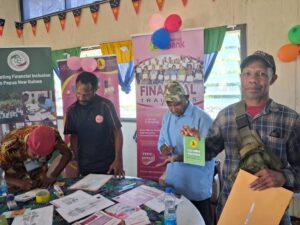
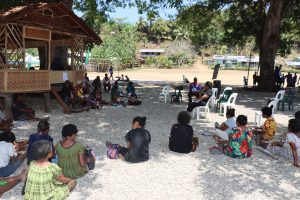
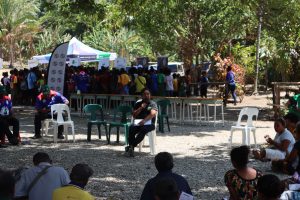
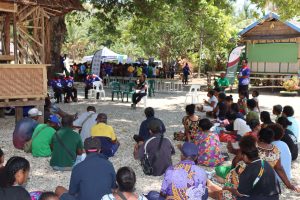
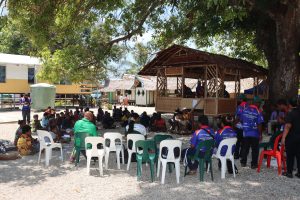
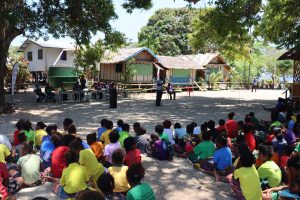
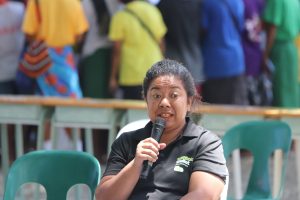
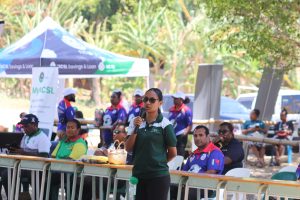
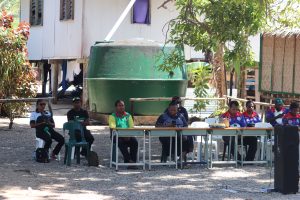
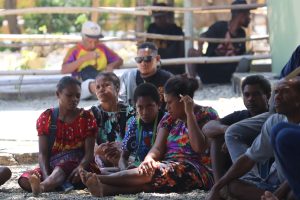
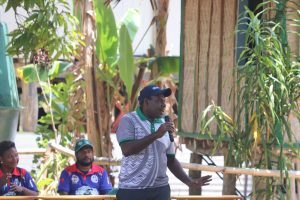
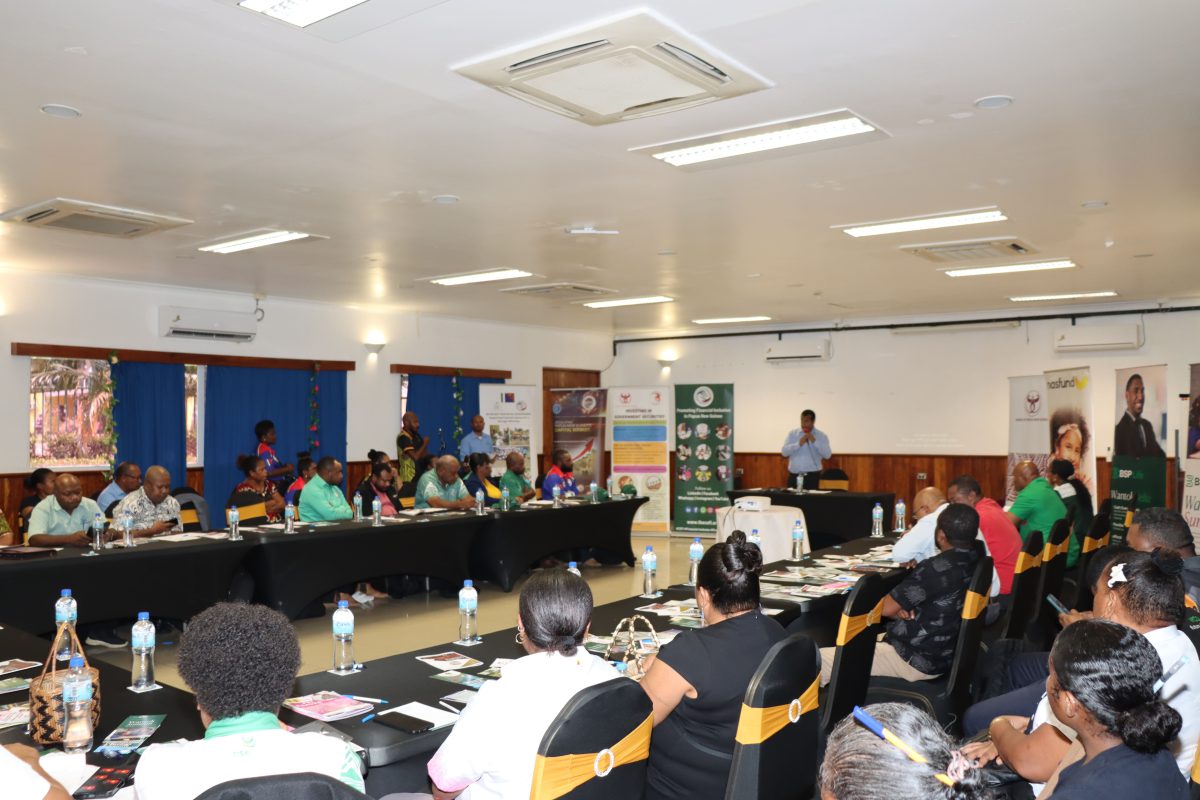
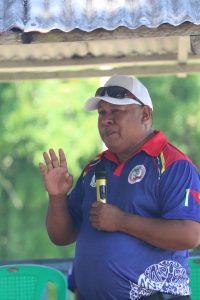
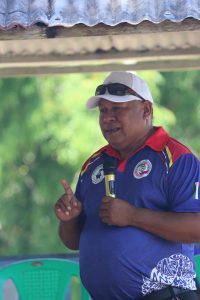
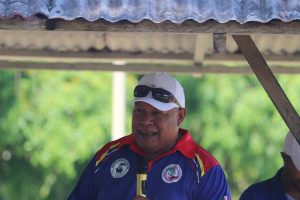
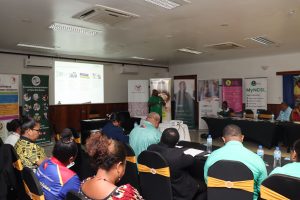
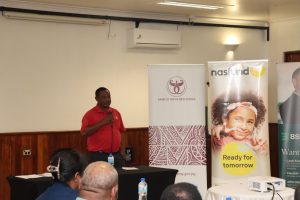
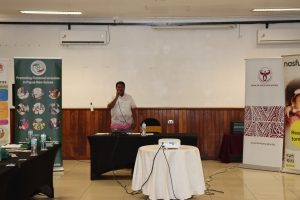
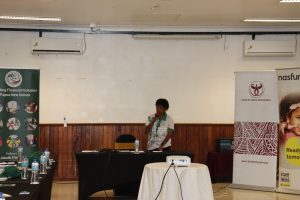
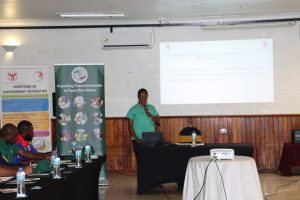
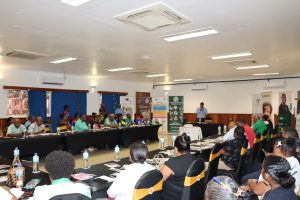
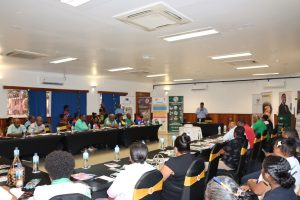
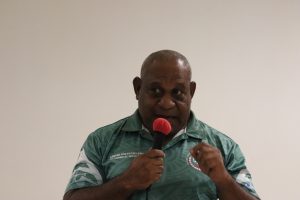
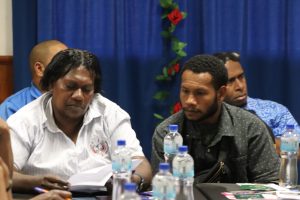
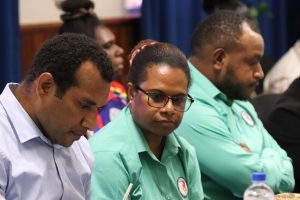
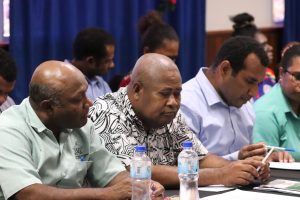
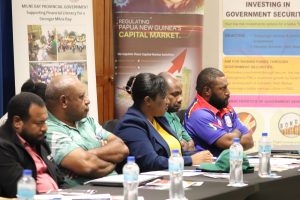
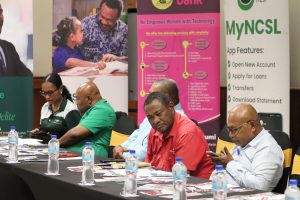
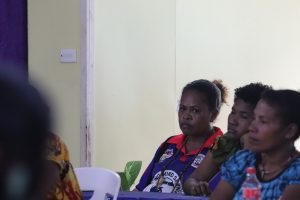
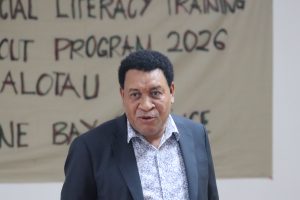
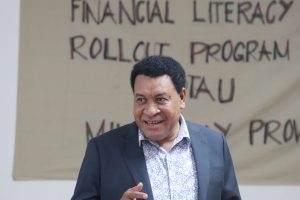
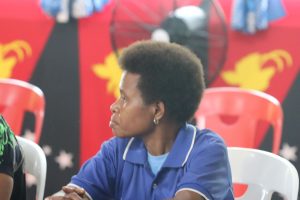
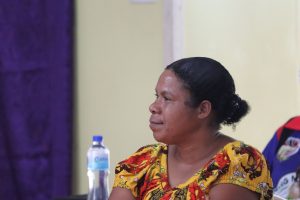
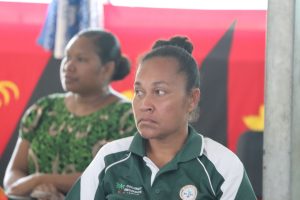
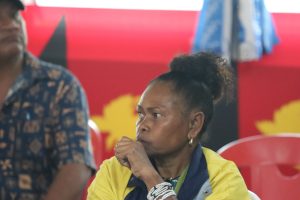
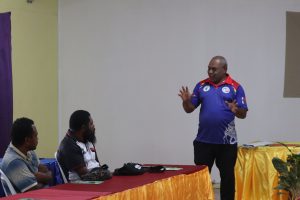
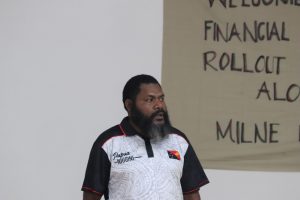
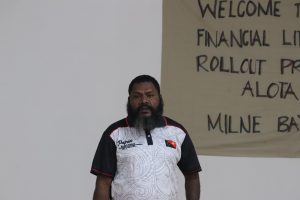
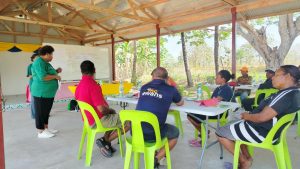
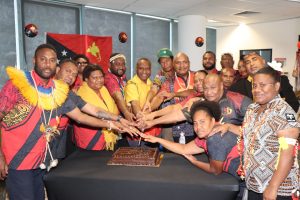
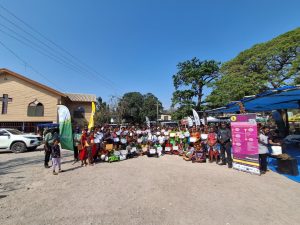
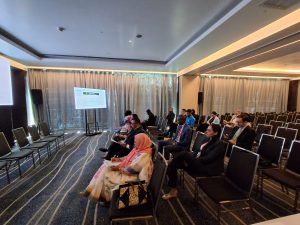
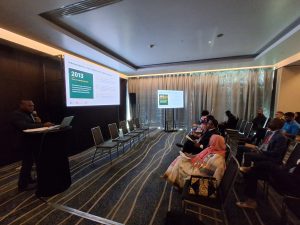
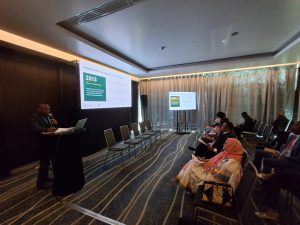
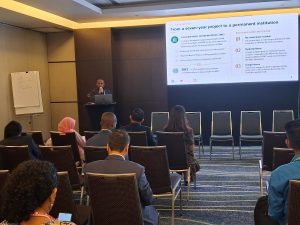
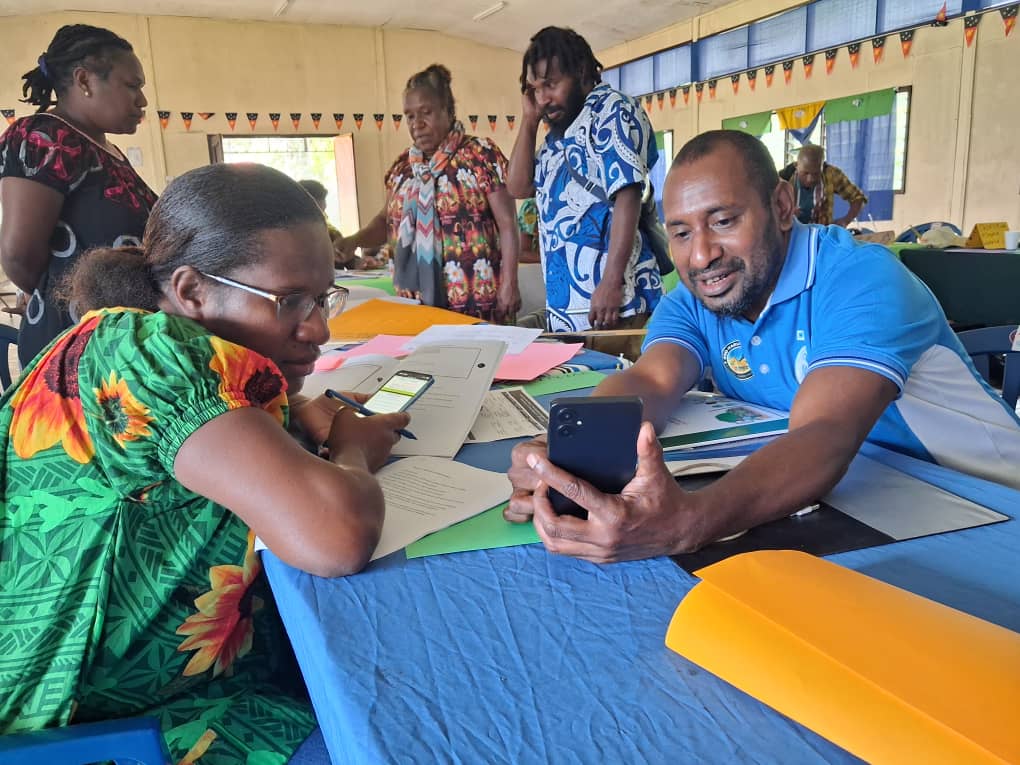
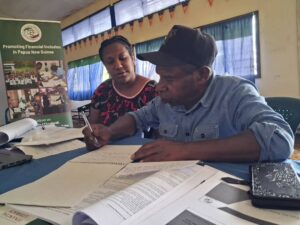
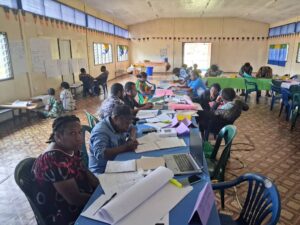
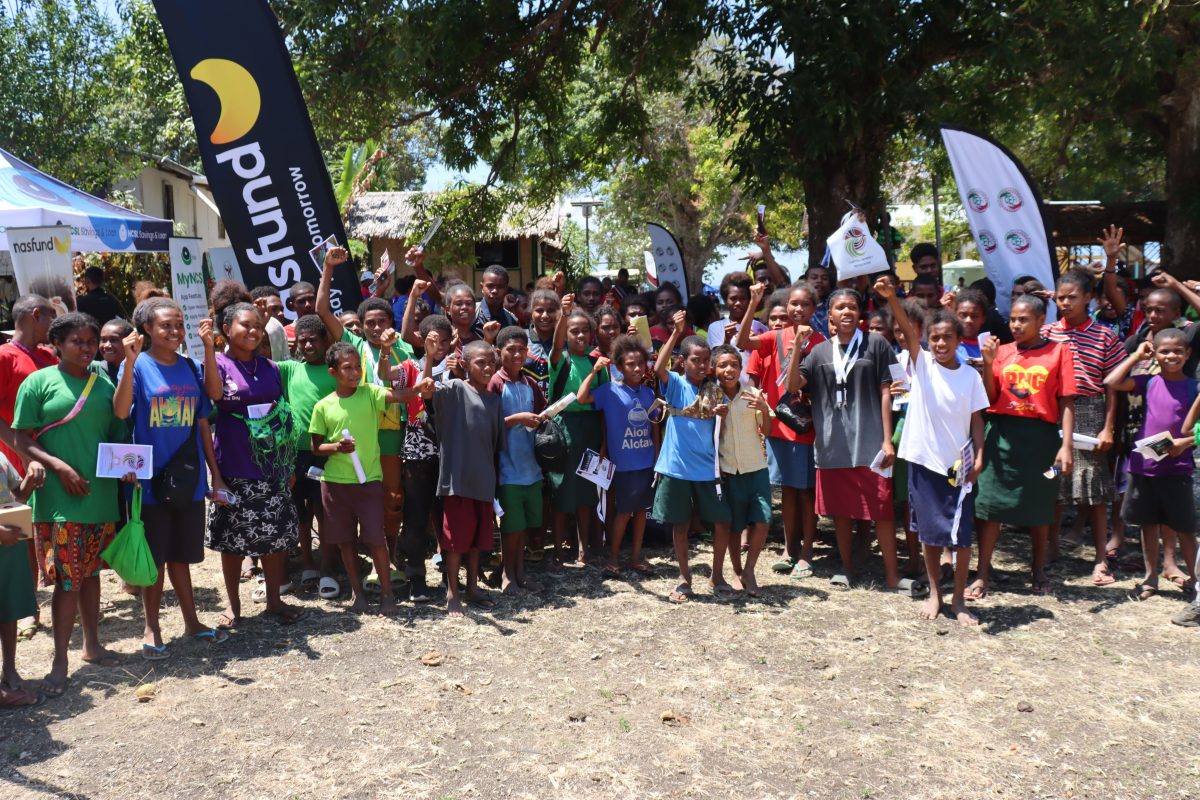
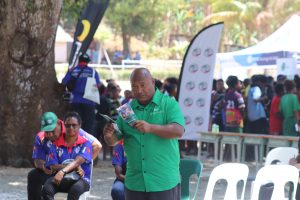
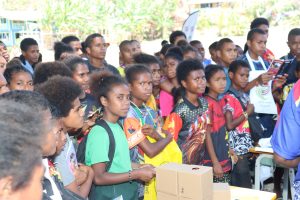
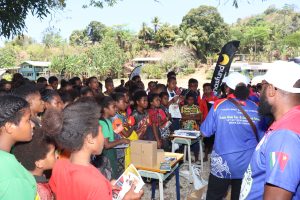
Caption 1 – Images of  participants take part in the five-day Financial Literacy Training of Trainers (ToT) programme delivered by the Centre for Excellence in Financial Inclusion (CEFI) in partnership with the Wau-Waria District Development Authority (WWDDA). The programme equipped participants with the knowledge, practical skills and confidence to deliver financial literacy education within their communities across Wau-Waria District. male and 13 were female, all of whom are now recognised as Certified Financial Literacy Trainers by CEFI.
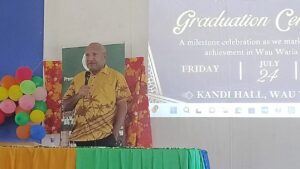
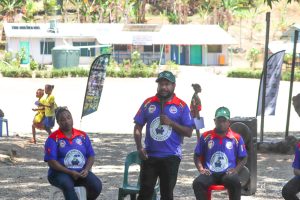
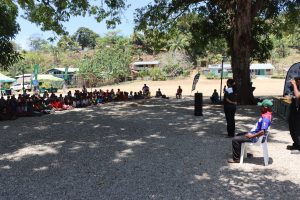
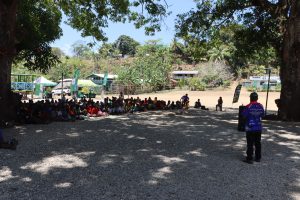
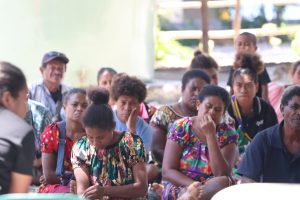
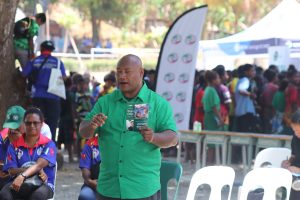
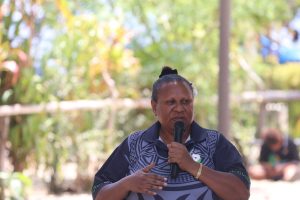
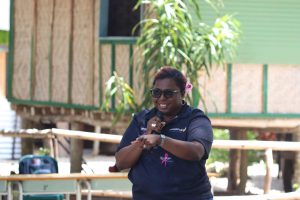
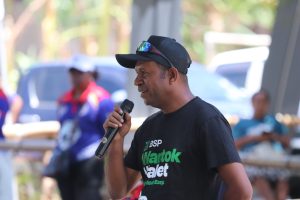
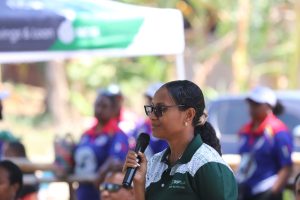
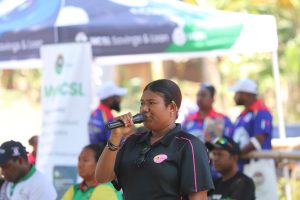
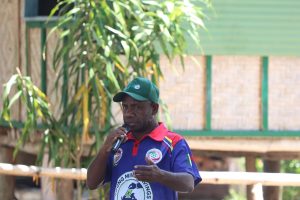
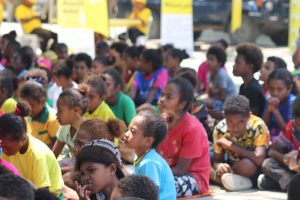
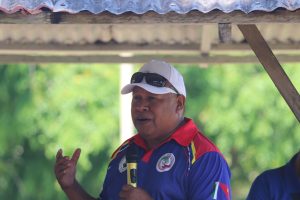
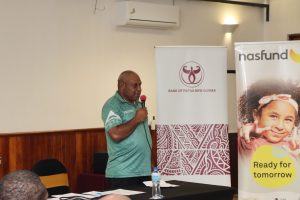
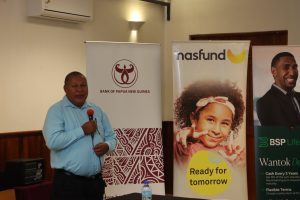
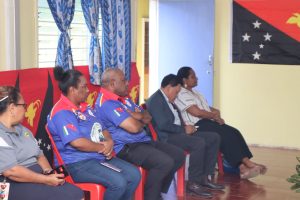
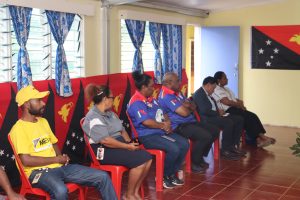
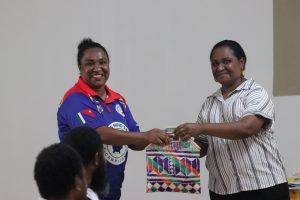
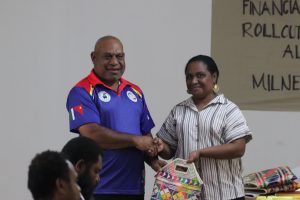
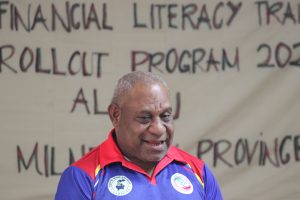
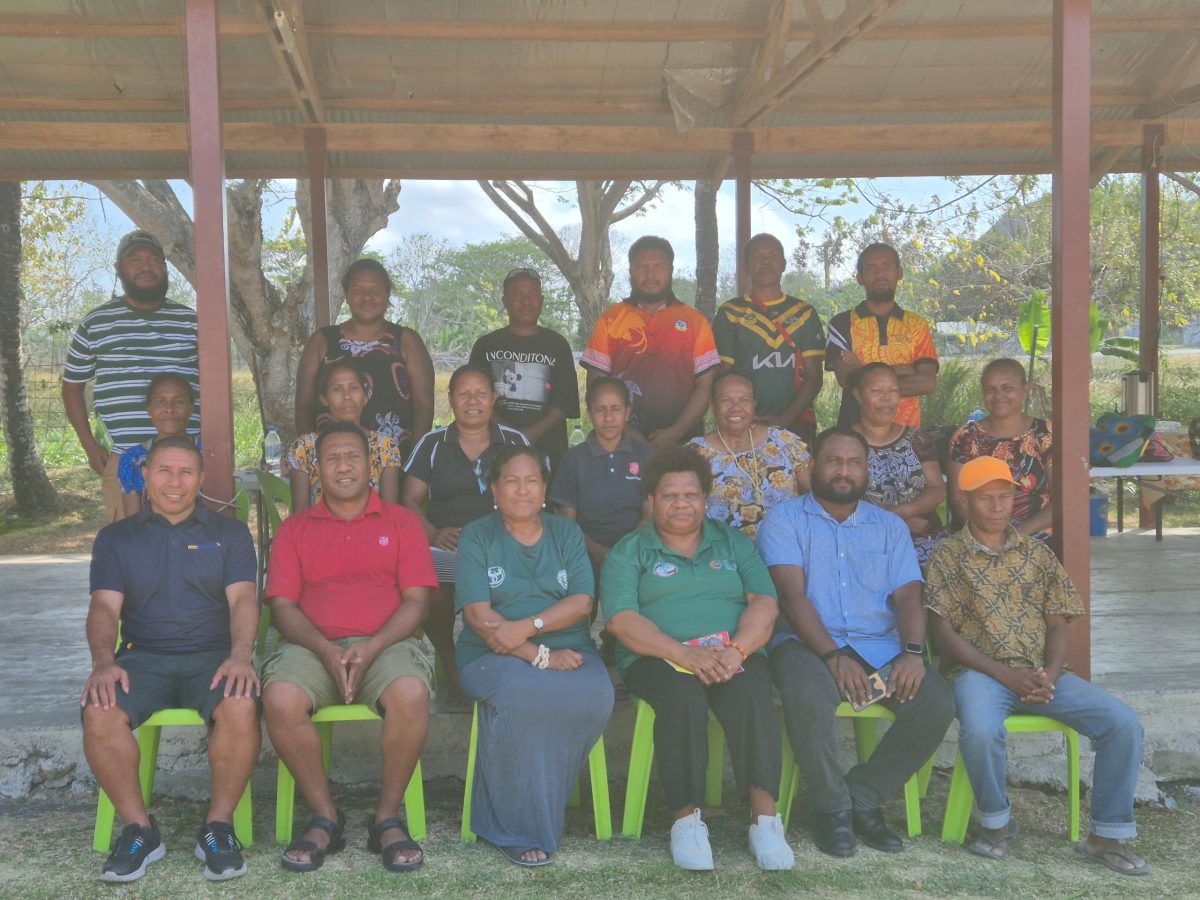
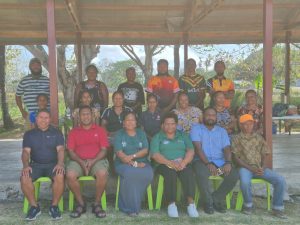
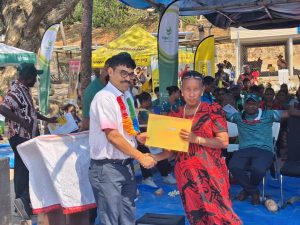
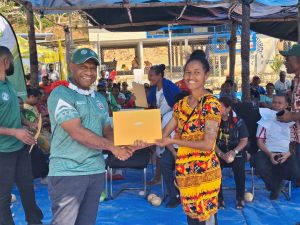
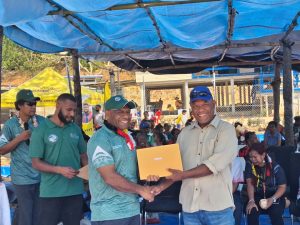
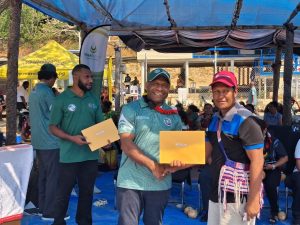
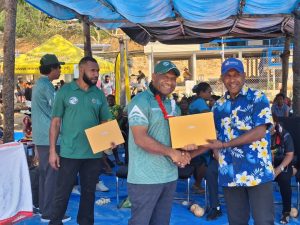
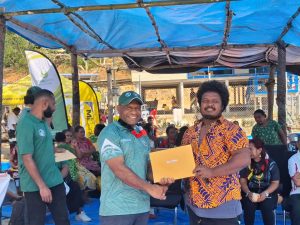
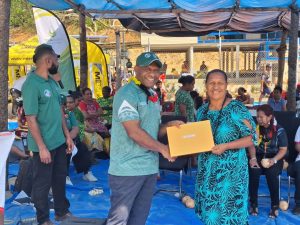
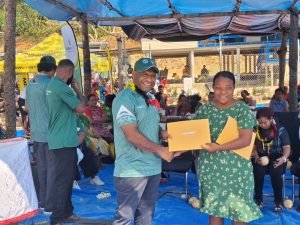
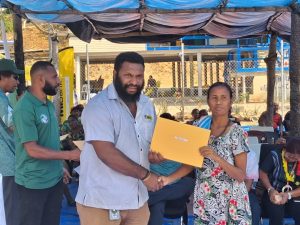
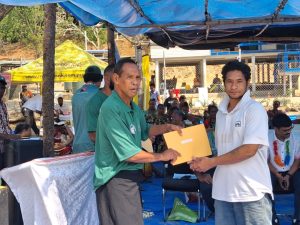
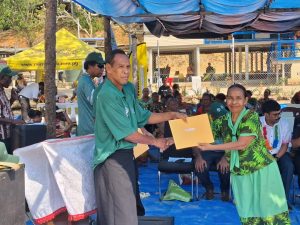
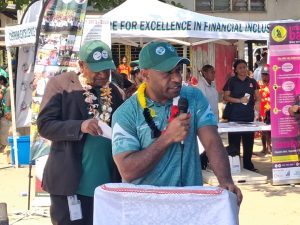
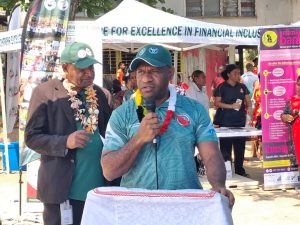
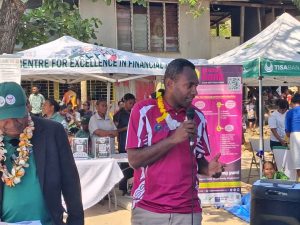
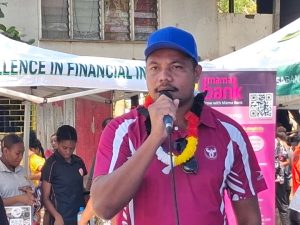
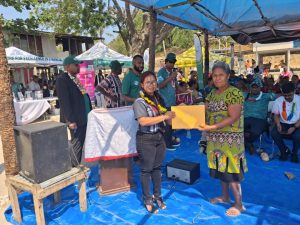
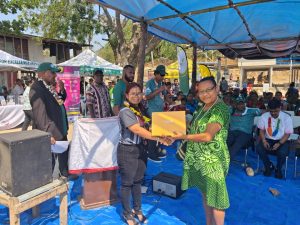
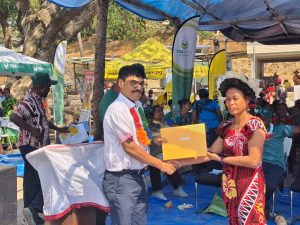
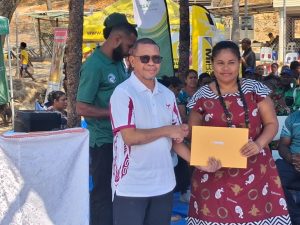
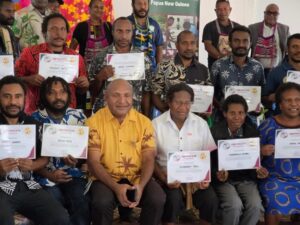
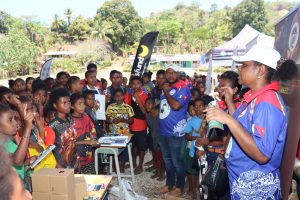
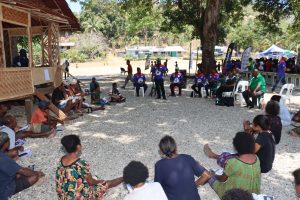
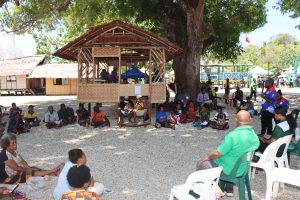
Caption 2Images from the Training of Trainers (ToT) graduation ceremony, where 30 participants successfully completed the programme and were recognised as Certified Financial Literacy Trainers by CEFI. The graduating cohort comprised 17 men and 13 women, who will now serve as financial literacy champions, promoting responsible financial management and financial inclusion throughout Wau-Waria District.
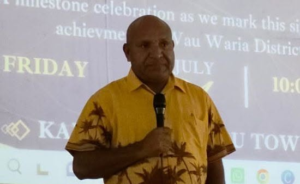
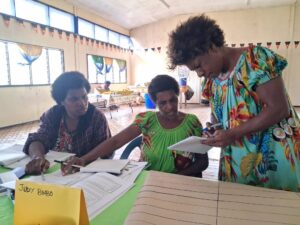
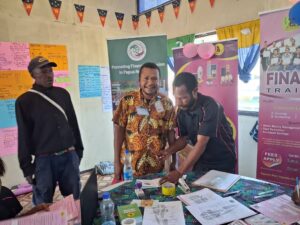
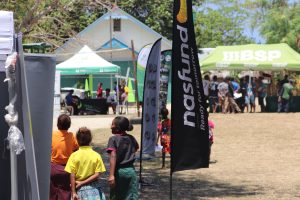
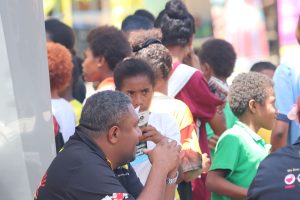
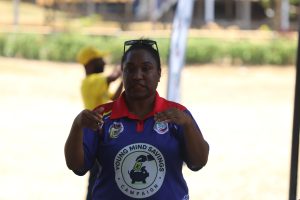
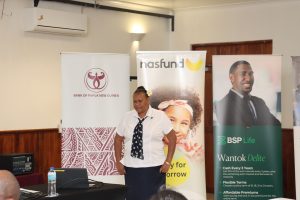
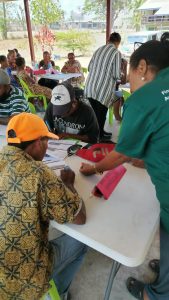
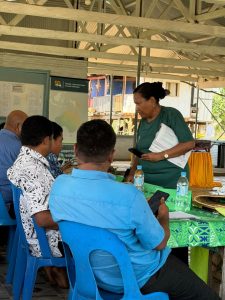
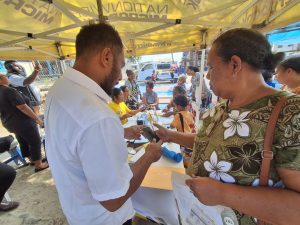
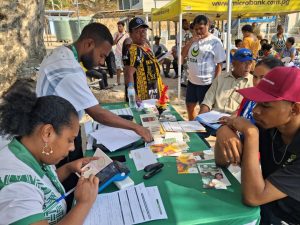
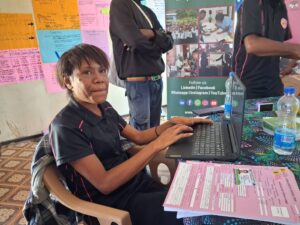
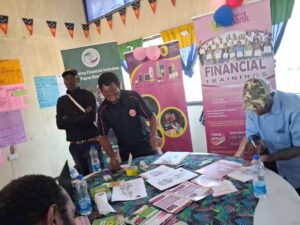
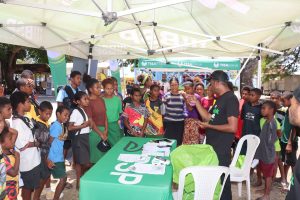
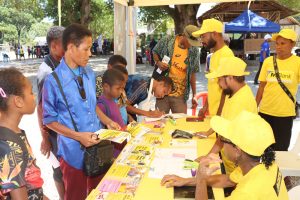
Caption 3Training of Trainers (ToT) participants put their newly acquired financial literacy skills into practice by opening new bank accounts with Women’s Micro Bank. The initiative reinforces the importance of applying sound financial knowledge through saving, responsible money management and participation in the formal financial system.


About CEFI

CEFI was established under the Association Incorporation Act and officially launched on the 24th of April 2013. CEFI was endorsed by PNG’s National Executive Council (NEC) as the industry apex organization for coordinating, advocating and monitoring all financial inclusion activities in PNG.

CEFI’s vision, mission and values focus on financial inclusion and literacy, poverty elimination and the promotion of vibrant financial institutional operation in Papua New Guinea.

Visit our website – www.thecefi.org

Media Contact:

Mr. Leslie Omaro

Communication Officer

Phone: 79736883

Email: lomaro@thecefi.org


Categories
News Article

CEFI and Honlly Isaac Jokema Foundation Partner to Expand Financial Literacy Across Morobe Province

The Centre for Excellence in Financial Inclusion (CEFI) and the Honlly Isaac Jokema Foundation have signed a three-year Memorandum of Understanding (MoU) to deliver financial literacy training throughout Morobe Province, strengthening financial capability, promoting financial inclusion, and supporting sustainable livelihoods across rural communities.

The MoU was signed at Jokema Lodge in Lae, marking the beginning of a strategic partnership that will expand financial literacy programmes across Morobe Province’s ten districts.

The initiative will focus on equipping rural farmers, women, youth, persons with disabilities, and other underserved communities with practical financial knowledge and skills to improve money management, increase savings, and strengthen household and business finances.

The Honlly Isaac Jokema Foundation is a community-based organisation dedicated to supporting agriculture, youth development, community empowerment, and sustainable livelihoods throughout Morobe Province.

Through the partnership, the Foundation and CEFI will work together to ensure financial education reaches communities where it is needed most.

Speaking at the signing ceremony, CEFI Senior Financial Literacy Trainer, Mr Sebastian Mugup, welcomed the partnership, describing it as a significant step towards expanding financial literacy services to rural and underserved communities across Morobe.

“CEFI is pleased to partner with the Honlly Isaac Jokema Foundation to deliver financial literacy training throughout the ten districts of Morobe Province. This partnership reflects our shared commitment to empowering communities with practical financial knowledge and skills that can transform lives,” Mr Mugup said.

Mr Mugup said financial literacy remains a cornerstone of financial inclusion, enabling individuals and families to manage their finances responsibly, develop sound saving habits, plan for the future, and participate confidently in the formal financial system.

He said the programme would strengthen positive financial behaviours by promoting practical money management skills among rural farmers, women, youth, and persons with disabilities.

“When people understand how to budget, save, plan, and make informed financial decisions, they are better equipped to improve household incomes, build sustainable livelihoods, and create opportunities for future generations,” he said.

Mr Mugup said the initiative directly supports the Government of Papua New Guinea’s key development frameworks, including the National Financial Inclusion Strategy (NFIS) 2023–2027, the National Financial Inclusion Policy, the National Financial Literacy Strategy, the Micro, Small and Medium Enterprise (MSME) Policy, Vision 2050, the PNG Strategic Development Plan 2030, and the Medium-Term Development Plan IV (2023–2027).

He noted that these national policies recognise financial capability as a critical driver of inclusive economic growth, poverty reduction, entrepreneurship, and community empowerment.

“Financial inclusion is not only about access to financial services. It is about ensuring people have the knowledge, skills and confidence to use those services responsibly. Financial literacy equips people with practical skills in budgeting, saving, financial planning, responsible borrowing and informed decision-making. These skills strengthen households, support small businesses and contribute to more resilient communities,” Mr Mugup said.

He added that financial literacy is fundamental to the success of micro, small and medium enterprises by improving financial management practices such as budgeting, record keeping, cash flow management, savings, responsible borrowing and business planning.

Founder and Chairman of the Honlly Isaac Jokema Foundation, Mr Honlly Isaac Jokema, described the agreement as a significant investment in the people of Morobe Province.

“We are honoured to partner with the Centre for Excellence in Financial Inclusion to bring financial literacy training to the people of Morobe. This partnership is about investing in our people and giving them the knowledge and confidence to make better financial decisions that will improve their lives,” Mr Jokema said.

He said many coffee and cocoa farmers, fresh produce growers, women, youth and rural families worked hard to earn an income but had limited opportunities to develop practical financial management skills.

“Our farmers work tirelessly every day, yet many have never had the opportunity to learn practical skills in budgeting, saving, planning and managing their finances. This programme will help bridge that gap.”

Mr Jokema said financial literacy was just as important as agricultural production because earning an income alone did not necessarily translate into improved household wellbeing.

“When our farmers learn how to budget, save, invest wisely and plan for the future, they are better positioned to improve household incomes, educate their children, expand their farming activities and build more secure futures for their families.”

He reaffirmed the Foundation’s commitment to working closely with CEFI over the next three years to ensure financial literacy training reaches communities across all ten districts of Morobe Province.

“Our vision is to see every district, every Local Level Government and every rural community benefit from this programme. We want our people to develop a strong savings culture, become financially responsible and use their earnings to create lasting opportunities for future generations.”

Mr Jokema said the partnership reflected a shared commitment to empowering people through education, strengthening rural economies and building resilient communities that contribute to the sustainable development of Morobe Province and Papua New Guinea.

Under the three-year agreement, CEFI and the Honlly Isaac Jokema Foundation will collaborate to deliver community-based financial literacy programmes, strengthen local training capacity and improve household financial management throughout Morobe Province. The programme will also support farmers, entrepreneurs and community groups to strengthen business practices, increase savings and make informed financial decisions that contribute to long-term economic resilience.

The partnership represents another important milestone in advancing Papua New Guinea’s financial inclusion agenda by ensuring practical financial education reaches grassroots communities where it can deliver the greatest impact. Through strategic partnerships such as this, CEFI continues to strengthen financial capability, promote financial inclusion and empower Papua New Guineans to build more secure, resilient and prosperous futures.

Ends


About CEFI

CEFI was established under the Association Incorporation Act and officially launched on the 24th of April 2013. CEFI was endorsed by PNG’s National Executive Council (NEC) as the industry apex organization for coordinating, advocating and monitoring all financial inclusion activities in PNG.

CEFI’s vision, mission and values focus on financial inclusion and literacy, poverty elimination and the promotion of vibrant financial institutional operation in Papua New Guinea.

Visit our website – www.thecefi.org

Media Contact:

Mr. Leslie Omaro

Communication Officer

Phone: 79736883

Email: lomaro@thecefi.org
 

Categories
News Article

CEFI and The Salvation Army Strengthen Financial Inclusion with Training of Trainers Programme

The Centre for Excellence in Financial Inclusion (CEFI), in partnership with The Salvation Army has successfully concluded a five-day Financial Literacy Training of Trainers (ToT) programme, equipping 29 participants including 16 females with the knowledge and practical skills to promote budgeting, savings and sound financial management within their communities.

At a mini graduation ceremony held on Friday, 26 June 2026, at The Salvation Army Headquarters, participants were presented with their certificates, officially recognising them as CEFI-certified trainers.

The programme forms part of CEFI’s ongoing commitment to strengthening financial literacy and advancing financial inclusion across Papua New Guinea by developing a network of community-based trainers capable of delivering practical financial education at the grassroots level.

Participants travelled from various parts of Papua New Guinea, with representatives also attending from the Solomon Islands.

Following the completion of the training, the newly certified trainers will return to their respective Salvation Army churches and community locations to deliver financial literacy training to church members, youth groups, women’s groups, persons living with disabilities, and micro, small and medium-sized enterprises (MSMEs).

Delivering the keynote address, CEFI Acting Manager for Financial Inclusion and Capacity Development, Mr Sebastian Mugup, congratulated the participants on completing the programme and challenged them to become agents of change within their communities.

“These are simple financial tools, but they are very powerful tools. They will change your life, your family, your community and the organisation you represent,” Mr Mugup said.

Mr Mugup emphasised that the value of the training would ultimately be measured by how effectively participants shared their knowledge with others.

He encouraged the graduates to begin by applying the lessons in their own lives before teaching family members, church congregations and the wider community.

He noted that the programme supports the Government of Papua New Guinea’s National Financial Inclusion Strategy 2023–2027, the National Financial Literacy Strategy, the SME Policy, and Vision 2050, all of which seek to build a financially empowered, economically active and inclusive nation.

Responding on behalf of the participants, Captain Saki A’o of The Salvation Army expressed appreciation to CEFI, the facilitators and organisers for providing the training free of charge and equipping participants with practical financial knowledge.

“I am confident that I now understand finance, and when I return home, I will first make changes in my own life before sharing this financial literacy knowledge with others,” Captain A’o said.

He thanked the trainers for their dedication, patience and commitment throughout the intensive five-day programme and affirmed that participants were committed to using their new skills to empower the people and communities they serve.

In his closing remarks, Colonel Chris Goa of The Salvation Army reminded graduates that their responsibility extended beyond receiving certificates and called on them to faithfully pass on the knowledge they had gained.

“The true success of this training will not be measured by the certificates you receive, but by the lives you will influence tomorrow and, in the years, ahead,” Colonel Goa said.

Drawing on 2 Timothy 2:2, Colonel Goa encouraged participants to train other reliable people who would, in turn, continue teaching others, creating a lasting multiplier effect across communities.

The Training of Trainers model is designed to ensure that financial education reaches hundreds more Papua New Guineans through local churches and community networks.

By building the capacity of trusted community leaders, CEFI and The Salvation Army are helping to strengthen financial capability, promote responsible money management and support inclusive economic development throughout Papua New Guinea.


Ends.


Image Captions

Image 1: Participants of The Salvation Army Financial Literacy Training of Trainers programme gather for the mini graduation ceremony.

Image 2: CEFI Acting Manager for Financial Inclusion and Capacity Development, Mr Sebastian Mugup, delivers the keynote address during the mini graduation ceremony.

Image 3: Mr Sebastian Mugup highlights the importance of financial literacy while addressing participants at the graduation ceremony.

Image 4: Captain Saki A’o of The Salvation Army delivers remarks on behalf of the training participants.

Image 5: Captain Saki A’o shares reflections and appreciation on behalf of the graduating participants.

Image 37: Colonel Chris Goa of The Salvation Army delivers the closing address at the mini graduation ceremony.

Image 38: Colonel Chris Goa commends the participants during his closing remarks at the conclusion of the programme.

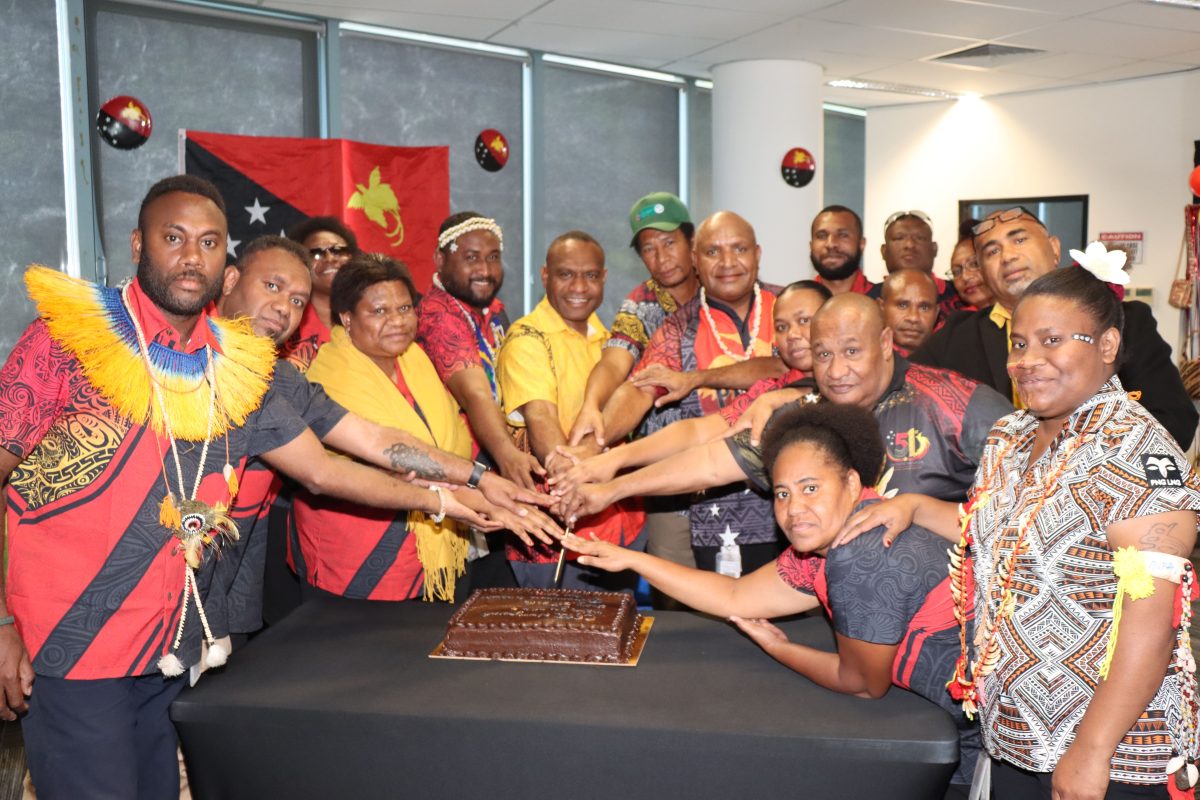
Image 39: From left: CEFI Acting Manager for Financial Inclusion and Capacity Development, Mr Sebastian Mugup, Major Michelle Oliver of The Salvation Army, and Colonel Chris Goa of The Salvation Army cut the celebratory cake with participants, marking the successful completion of the week-long Financial Literacy Training of Trainers programme.

Images 6–36: Participants proudly receive their certificates after successfully completing the Financial Literacy Training of Trainers programme.

About CEFI

CEFI was established under the Association Incorporation Act and officially launched on the 24th of April 2013. CEFI was endorsed by PNG’s National Executive Council (NEC) as the industry apex organization for coordinating, advocating and monitoring all financial inclusion activities in PNG.

CEFI’s vision, mission and values focus on financial inclusion and literacy, poverty elimination and the promotion of vibrant financial institutional operation in Papua New Guinea.

Visit our website – www.thecefi.org

Media Contact:

Mr. Leslie Omaro

Communication Officer

Phone: 79736883

Email: lomaro@thecefi.org
Categories
News Article

CEFI Strengthens Financial Inclusion Support for Child Nutrition Programme

The Centre for Excellence in Financial Inclusion (CEFI) has reaffirmed the importance of financial inclusion, financial literacy and accessible financial services in supporting the successful implementation of Papua New Guinea’s Child Nutrition and Social Protection (CNSP) Project.

This was highlighted during a stakeholder workshop held at the CEFI Office in Port Moresby, bringing together representatives from the CNSP Project team and financial institutions, including BSP, TISA Bank and National Banking Corporation, to discuss financial access arrangements for the Government-funded initiative.

The workshop focused on account opening processes, agent banking services and digital payment mechanisms for mothers and caregivers who will receive child nutrition support payments.

Participating financial institutions also presented their products and services, including account opening requirements, agent banking networks and digital payment solutions that could support the delivery of child nutrition grants to beneficiaries in Madang, Simbu, East New Britain and Western Province.

Opening the workshop, CEFI Acting Executive Director Peter Samuel highlighted the important role financial inclusion plays in ensuring beneficiaries can effectively access and utilize financial support provided through the programme.

He said that while financial assistance is important, beneficiaries must also have the knowledge and skills required to manage their finances responsibly and sustainably.

“Financial literacy plays a critical role in helping mothers utilize the support provided, not only during the life of the project but also into the future, so they can sustain themselves and their families,” Mr Samuel said.

Mr Samuel acknowledged the contributions of key partners, including the Department for Community Development and Religion, the Department of Health, the World Bank and participating financial institutions, for their continued commitment to improving the wellbeing of mothers and children throughout Papua New Guinea.

He also announced that CEFI is developing a Digital Financial Literacy Module to support beneficiaries in understanding and using digital financial services such as mobile wallets and other electronic payment platforms.

According to Mr Samuel, many women in rural communities have limited exposure to digital financial services and would benefit from targeted training and awareness programmes.

In addition, CEFI is developing a Small and Medium Enterprise training module aimed at supporting beneficiaries to transition from grant recipients into income-generating entrepreneurs, strengthening the long-term sustainability of the programme.

Providing an overview of the project, CNSP Component Manager Joseph Klapat said the initiative focuses on improving the nutritional status of pregnant women and children under five years while contributing to poverty reduction through targeted cash transfers.

Mr Klapat said the project is currently being implemented in selected districts of East New Britain, Madang, Simbu and Western Province and has already delivered significant benefits to thousands of households.

“The project is making a real impact in households. To date, we have reached approximately 15,000 beneficiaries, and our target is to reach an additional 30,000 beneficiaries this year,” he said.

He noted that the CNSP Project aims to reach 180,000 beneficiaries nationwide and is jointly implemented by the National Department of Health, the Department of Justice and Attorney General, and the Department for Community Development and Religion, with support from development partners including the World Bank, UNICEF, World Vision PNG, Catholic Church Health Services and CEFI.

Mr Klapat further revealed that more than K3 million in benefit grants has already been paid directly into beneficiaries’ bank accounts.

The programme has recently transitioned from quarterly to monthly payments, with the monthly benefit increasing from K30 to K60 per household.

World Bank Senior Economist and Task Team Leader for the CNSP Project, Ning Fu, described the programme as a life-changing initiative aimed at addressing child malnutrition and stunting across Papua New Guinea.

“The overarching goal of the project is to reduce stunting among children in Papua New Guinea,” Mr Fu said.

“While nutrition services are critical, improving household purchasing power through child nutrition grants is equally important in helping families access nutritious food and essential health services.”

Mr Fu highlighted the project’s contribution to financial inclusion, noting that many beneficiaries are opening formal financial accounts for the first time through the programme.

He said approximately 16,000 beneficiary households have already been reached, with plans to expand to 30,000 households by the end of the year and 80,000 households by next year.

He added that women make up a significant proportion of beneficiaries, making the programme an important contributor to Papua New Guinea’s broader financial inclusion objectives.

Closing the workshop, CEFI Manager for NFIS Coordination and Stakeholder Engagement Danny Koka thanked participating financial institutions and development partners for their continued support and commitment to improving access to financial services for vulnerable communities.

“Financial institutions are our key partners in implementing the National Financial Inclusion Strategy. Their support is critical in ensuring that financial services reach those who need them most,” Mr Koka said.

Mr Koka emphasized that collaboration between government agencies, financial institutions and development partners will be essential to ensuring the successful rollout of the project and the secure delivery of child nutrition grants through regulated financial service providers.

“The project will have a significant impact on our younger generation and mothers. Together, we can contribute towards building healthier families and a healthier population for Papua New Guinea,” he said.

Despite progress made under the CNSP Project, participants acknowledged several challenges that may affect the effective delivery of financial services to beneficiaries. These include limited awareness and understanding of formal financial services among some rural communities, challenges with account opening and documentation requirements, limited access to banking infrastructure in remote areas, and the need for stronger financial literacy support to help beneficiaries confidently use digital financial services.

The workshop also highlighted the importance of improving coordination between government agencies, financial institutions and implementation partners to ensure beneficiaries can access payments efficiently and securely. While financial institutions have existing agent networks and digital solutions, continued efforts are needed to expand access points and strengthen support services in project locations.

Moving forward, CEFI will work closely with participating financial institutions to review account access arrangements, strengthen agent banking channels and identify practical solutions to improve financial service delivery in rural and underserved communities.

Through continued collaboration, the CNSP Project aims to not only provide immediate support to mothers and children but also contribute to long-term financial inclusion, economic empowerment and improved household resilience across Papua New Guinea.


Ends.


Image Captions

Image 1: Component Manager for the Child Nutrition and Social Protection (CNSP) Project, Mr Joseph Klapat, delivers the opening remarks and outlines the objectives of the workshop.

Image 2: Component Manager for the Child Nutrition and Social Protection (CNSP) Project, Mr Joseph Klapat, addresses participants as he provides an overview of the workshop and its key priorities.

Image 3: Mr Ning Fu, World Bank Senior Economist and Task Team Leader for the CNSP Project, shares his insights during the workshop, highlighting the importance of effective financial access arrangements for project implementation.

Image 4: CEFI Acting Executive Director, Mr Peter Samuel, delivers his address, reaffirming CEFI’s commitment to supporting the successful implementation of the Child Nutrition and Social Protection Project.

Image 5: CEFI Acting Executive Director, Mr Peter Samuel, engages participants as he discusses the vital role of financial inclusion in strengthening the delivery of social protection initiatives.

Image 6: Ms Stephanie Aisi of BSP delivers a presentation showcasing the bank’s products, services and financial solutions available to support the Child Nutrition and Social Protection Project.

Image 7: Ms Stephanie Aisi of BSP briefs workshop participants on the bank’s account opening requirements, agent banking network and digital payment services.

Image 8: Mr Jasper Kinaram of TISA Bank presents an overview of the bank’s products and services, outlining financial solutions tailored to meet the needs of project beneficiaries.

Image 9: National Banking Corporation (NBC) Senior Manager – Retail Operations, Mr Gabriel Nangile, delivers a presentation highlighting NBC’s products, services and banking solutions designed to enhance financial access for communities.


About CEFI

CEFI was established under the Association Incorporation Act and officially launched on the 24th of April 2013. CEFI was endorsed by PNG’s National Executive Council (NEC) as the industry apex organization for coordinating, advocating and monitoring all financial inclusion activities in PNG.

CEFI’s vision, mission and values focus on financial inclusion and literacy, poverty elimination and the promotion of vibrant financial institutional operation in Papua New Guinea.

Visit our website – www.thecefi.org

Media Contact:

Mr. Leslie Omaro

Communication Officer

Phone: 79736883

Email: lomaro@thecefi.org
Categories
News Article

CEFI Hosts Second Institutional Commitment (I-Commit) Workshop in Port Moresby


The Centre for Excellence in Financial Inclusion (CEFI) successfully hosted the Institutional Commitment (I-Commit) Workshop on Friday, 12 June 2026, at its office in Port Moresby. The workshop brought together financial institutions and key stakeholders to review progress, strengthen partnerships, and reaffirm commitments toward achieving the objectives of Papua New Guinea’s National Financial Inclusion Strategy (NFIS) 2023–2027.

This was the second I-Commit engagement, following the inaugural workshop held on 19 March 2024 at the Grand Papua Hotel. It provided a platform for participating institutions to assess progress against their commitments, discuss implementation challenges, share experiences, and identify practical solutions to accelerate financial inclusion nationwide.

Participating institutions included Bank South Pacific, Kina Bank, Kada Poroman Microfinance Limited, Women’s Micro Bank, Nationwide Microbank Limited, and National Banking Corporation.

The I-Commit initiative brings together financial institutions, payment service providers, and key stakeholders to strengthen collective efforts under the NFIS 2023–2027. It provides a structured platform to share progress, identify opportunities, and develop collaborative approaches aimed at expanding access to affordable and appropriate financial services, particularly for underserved communities.

Through this initiative, institutions have committed to supporting key national targets, including the creation of 2 million additional bank accounts, the establishment of 1,500 financial access points, and the training of 400,000 people in financial literacy. These commitments also focus on promoting account ownership, expanding digital financial services, and developing innovative solutions to reach unbanked populations across Papua New Guinea.

Opening the workshop, Assistant Governor for the Financial System Development and Innovation Group at the Bank of Papua New Guinea, George Awap, emphasised the importance of practical and achievable commitments that deliver real outcomes.

“Commitments must be practical and achievable. Financial inclusion is not just about making promises; it is about delivering results that improve access to financial services and create opportunities for our people,” Mr Awap said.


He noted the progress made in financial inclusion over the years, highlighting the importance of continued collaboration to reach communities still excluded from the formal financial system.

“Financial inclusion is a long-term journey. We must continue working together to bank the unbanked and ensure that our targets reflect the realities of the evolving financial sector,” he said.

In his welcome remarks, CEFI Acting Executive Director Peter Samuel said the workshop plays an important accountability role under the NFIS, enabling institutions to collectively review progress and identify areas for improvement.

“The workshop is not only about reviewing numbers. It is about understanding the challenges behind those numbers, identifying opportunities for collaboration, and ensuring that our efforts continue to make a meaningful impact on people’s lives,” Mr Samuel said.

He also acknowledged the importance of quality data in supporting policy and investment decisions.

“Financial inclusion data is increasingly being used by provincial governments, national agencies, and development partners to guide planning and investment decisions. Your continued support in providing quality data remains critical,” he said.

Mr Samuel further stressed the importance of moving beyond access to financial services and focusing on financial capability.

“We must ensure that people not only open accounts but also understand how to use financial services effectively. Financial literacy and digital financial literacy are critical to achieving this goal,” he said.

Senior Data Analyst Ruruva Ane provided an overview of the I-Commit initiative and presented progress updates against institutional targets. He reported strong progress in expanding financial access points, while noting the need to accelerate growth in account ownership and active usage.

Representing participating institutions, Women’s Micro Bank Project Manager Prabhas Ranjan shared experiences on reaching underserved communities through branch expansion, agency banking, financial literacy training, and innovative financial products.

He emphasised that access to banking services, access to finance, and capacity building remain central to the institution’s mission.

“Financial education is critical because it empowers customers to make informed decisions and utilise financial services to improve their livelihoods,” Mr Ranjan said.

CEFI Senior Training Officer Paul Tamate highlighted the importance of financial literacy in achieving sustainable financial inclusion. He encouraged institutions to strengthen customer education and community outreach to improve financial capability and promote responsible use of financial services.

The workshop concluded with participants reaffirming their commitment to collaborate in achieving the NFIS 2023–2027 targets and expanding access to inclusive, affordable, and appropriate financial services for all Papua New Guineans.


Ends.

Image Captions

Image 1: CEFI’s NFIS Implementation Coordinator, Albert Mokis Ahabh, provides participating financial institution representatives with background information on the I-Commit Workshop, setting the scene for the discussions ahead.

Image 2: CEFI staff, including Acting Executive Director Peter Samuel, pose for a group photograph with representatives from participating financial institutions during the I-Commit Workshop.

Image 3: Assistant Governor for the Financial System Development and Innovation Group at the Bank of Papua New Guinea, George Awap, delivers the opening address at the I-Commit Workshop.

Image 4: Representatives from participating financial institutions attentively listen as George Awap, Assistant Governor for the Financial System Development and Innovation Group at the Bank of Papua New Guinea, delivers his opening remarks.

Image 5: CEFI Acting Executive Director Peter Samuel outlines the objectives of the workshop during his welcome address.

Image 6: Participants follow the welcome presentation by Peter Samuel, who highlights the purpose and expected outcomes of the I-Commit Workshop.

Image 7: Representatives from participating financial institutions listen as CEFI Senior Data Analyst Ruruva Ane presents an overview of the I-Commit Initiative and its performance targets.

Image 8: CEFI Senior Data Analyst Ruruva Ane delivers a presentation on the I-Commit Initiative, highlighting key targets and implementation priorities.

Image 9: Representing participating institutions, Prabhas Ranjan, Project Manager at Women’s Micro Bank, provides an update on institutional progress and achievements under the I-Commit Initiative.

Image 10: CEFI Senior Training Officer Paul Tamate presents on financial literacy initiatives and community engagement activities to representatives from participating financial institutions.

Image 11: Paul Tamate shares insights into CEFI’s financial literacy programmes and community outreach efforts during his presentation.

Image 12: CEFI Manager for NFIS Coordination and Stakeholder Engagement, Danny Koka, delivers the vote of thanks, expressing appreciation to representatives from participating financial institutions for their contribution to the I-Commit Workshop.


About CEFI

CEFI was established under the Association Incorporation Act and officially launched on the 24th of April 2013. CEFI was endorsed by PNG’s National Executive Council (NEC) as the industry apex organization for coordinating, advocating and monitoring all financial inclusion activities in PNG.

CEFI’s vision, mission and values focus on financial inclusion and literacy, poverty elimination and the promotion of vibrant financial institutional operation in Papua New Guinea.

Visit our website – www.thecefi.org

Media Contact:

Mr. Leslie Omaro

Communication Officer

Phone: 7464 5678

Email: lomaro@thecefi.org
Categories
News Article

Financial Literacy Graduates Challenged to Become Agents of Change

Participants who successfully completed the week-long Expression of Interest (EOI) Training of Trainers (TOT) in Financial Literacy Training (FLT) at the Centre for Excellence in Financial Inclusion (CEFI) have been entrusted with the responsibility of advancing financial inclusion and financial literacy across Papua New Guinea.

Equipped with new knowledge and skills, they were encouraged to overcome challenges and continue serving as agents of change, empowering individuals and communities to become more financially informed and financially included.

The training, held from June 1st to 5th at the CEFI Office in Port Moresby, brought together representatives from microbanks, the private sector and other organizations to strengthen their financial literacy knowledge and training skills.

Speaking during the mini graduation ceremony, Manager for NFIS Stakeholder Engagement and Coordination, Danny Koka, congratulated the participants on completing the EOI-TOT financial literacy training and emphasized the importance of applying the lessons learned.

“Financial literacy, saving and budgeting are life skills. Managing money is key in life now a days,” Mr Koka said. “When you go back, please implement it and become our agents of change outside.”

Mr Koka highlighted the critical role participants play in supporting Papua New Guinea’s National Financial Inclusion Strategy by reaching unbanked populations. He encouraged graduates to promote savings, responsible money management and access to financial services within their communities.

Acting Manager – Training and Capacity Development Sebastian Mugup thanked participants and their sponsoring organizations for their commitment throughout the five-day programme.

“This training is very important for all of us. Today you will receive your certificate, but you have a big task ahead,” Mr Mugup said. “We will go out and reach the unbanked population and help change people’s lives by changing their mindset about money.”

Representing the male participants, Mitchell Gimots of Women’s Micro Bank described the training as one of the most valuable professional development opportunities he had attended.

“I believe we have gained so much from this one-week training,” he said. “The challenge now is to reach those remote people out there and bring them into the banking system.”

Female participant representative Lowayne Olime also expressed her appreciation, saying the training had strengthened her confidence and ability to serve rural communities.

“With this training that I have acquired, I feel confident and equipped to facilitate trainings and help people become financially responsible leaders,” she said.

The graduates are expected to use their newly acquired skills to deliver financial literacy awareness and training programmes within their respective communities and organizations, contributing to greater financial inclusion across Papua New Guinea.


Ends.

Image Captions

Image 1: Participants gather for a commemorative group photograph alongside senior CEFI staff following the completion of the training.

Image 2: Employees from Women’s Micro Bank who took part in the week-long programme pose together to mark their successful completion.

Image 3: Self-sponsored participants who completed the one-week training — (from left to right) Jason Borle, Gerthrude Nongkas and Henry Iluba.

Image 4: CEFI staff members who successfully completed the training — (from left to right) Mirriam Joseph, Parakson Kua and Adelle Auhava.

Image 5: Mitchell Gimots delivers a speech on behalf of the male participants during the graduation ceremony.

Image 6: Lowayne Olimne addresses attendees as the representative speaker for the female participants.

Image 7: Danny Koka, Manager – NFIS Stakeholder Engagement and Coordination, presents a certificate to Mitchell Gimots during the mini graduation ceremony.

Image 8: Danny Koka, Manager – NFIS Stakeholder Engagement and Coordination, awards Parakson Kua with his certificate at the mini graduation ceremony.

Image 9: Patronilla So-On receives her certificate from Danny Koka, Manager – NFIS Stakeholder Engagement and Coordination.

Image 10: Robert Intaraim is formally recognised as Danny Koka, Manager – NFIS Stakeholder Engagement and Coordination, presents his certificate.

Image 11: Danny Koka, Manager – NFIS Stakeholder Engagement and Coordination, hands Ronnie Tounge her certificate during the presentation ceremony.

Image 12: Solomon Waisi receives his certificate from Danny Koka, Manager – NFIS Stakeholder Engagement and Coordination, in recognition of completing the training.

Image 13: Adelle Auhava is presented with her certificate by Danny Koka, Manager – NFIS Stakeholder Engagement and Coordination.

Image 14: Sebastian Mugup, Acting Manager – Training and Capacity Development, awards Charlotte Adienana her certificate during the mini graduation.

Image 15: Christie Tsinu receives his certificate from Sebastian Mugup, Acting Manager – Training and Capacity Development.

Image 16: Sebastian Mugup, Acting Manager – Training and Capacity Development, congratulates Derryll Aisi while presenting his certificate.

Image 17: Henry Iluba i

s acknowledged for completing the training as he receives his certificate from Sebastain Mugup.

Image 18: Jason Borle accepts his certificate from Sebastain Mugup, Acting Manager – Training and Capacity Development.

Image 19: Lowayne Olime is recognised during the mini graduation ceremony as she receives her certificate.

Image 20: Mirriam Joseph receives her certificate from Sebastain Mugup, Acting Manager – Training and Capacity Development.

Image 21: Gerthrude Nongkas is awarded her certificate by Sebastian Mugup during the certificate presentation session.


About CEFI

CEFI was established under the Association Incorporation Act and officially launched on the 24th of April 2013. CEFI was endorsed by PNG’s National Executive Council (NEC) as the industry apex organization for coordinating, advocating and monitoring all financial inclusion activities in PNG.

CEFI’s vision, mission and values focus on financial inclusion and literacy, poverty elimination and the promotion of vibrant financial institutional operation in Papua New Guinea.

Visit our website – www.thecefi.org

Media Contact:

Mr. Leslie Omaro

Communication Officer

Phone: 7464 5678

Email: lomaro@thecefi.org
Categories
News Article

Twenty TLM Staff Qualify as Financial Literacy Trainers Through CEFI Initiative

Staff of The Leprosy Mission Papua New Guinea have been urged to take a leading role in changing communities following the successful completion of a week-long Training of Trainers programme facilitated by the Centre for Excellence in Financial Inclusion (CEFI).

The training concluded with a mini graduation ceremony on Friday April 24, 2026, where 20 participants, including eight women, received certificates qualifying them as trainers in financial literacy.

Acting Executive Director of CEFI, Mr Peter Samuel, commended the participants for their commitment and dedication, noting the sacrifices made to attend the training.

“We would like to acknowledge each and every one of you for spending your entire week here and making some sacrifices,” Mr Samuel said.

He described the initiative as a milestone partnership for CEFI, highlighting its significance in expanding outreach to vulnerable communities.

“We have never partnered with an institution like this, and this is very special for us,” he said.

Mr Samuel emphasized that financial literacy was not only essential for the communities the participants would serve, but also for their own personal development.

“Financial literacy is not only for your participants, but also for yourselves… you may see areas where you fall short, even in simple things like unnecessary costs,” he said.

He further stressed the critical role the newly trained facilitators would play in restoring dignity and enabling economic participation among marginalized groups.

“You play a critical role in the transformation… bringing people to participate in the economy and feel part of the country,” he said, adding, “You are now an extension of CEFI… the challenge is on you.”

Senior Programme Manager for Preventive Health and Community Empowerment (PHACE), Mr Larson Neayambe, also acknowledged the impact of the training on staff.

“We thought that we are literate in finance, but the training has taught the staff how to be strong in financing and spending,” Mr Neayambe said.

He likened the training to “planting a seed” that would grow and benefit communities, noting that participants are expected to roll out the programme to community health volunteers and leaders across 45 communities.

Mr Neayambe also praised the partnership behind the initiative, stating that it had created an opportunity to strengthen community development efforts.

Training participant Ms Patricia Smange Maroa, speaking on behalf of the female participants, expressed appreciation to lead facilitator Paul Tamate and the organising team for their support throughout the programme.

She said the participatory approach had empowered trainees to become “better trainers, leaders and agents of change”, adding that the knowledge gained would be shared widely to promote sustainable livelihoods.

Mr Peiwa Kila, representing the male participants, described the training as a positive  experience.

He said participants had entered the programme with limited practical knowledge but would leave “more matured” and better equipped to support their families and communities.

Mr Kila emphasised the importance of applying the skills gained, noting that practical implementation would be key to improving financial management at the grassroots level.

The ceremony concluded with the presentation of certificates, marking the beginning of a broader effort to expand financial literacy across communities in Papua New Guinea.

Ends.

Image: TLM staff and CEFI Acting Executive Director Mr. Peter Samuel (seated, second from left) pose for a group photo after a mini graduation ceremony.

About CEFI

CEFI was established under the Association Incorporation Act and officially launched on the 24th of April 2013. CEFI was endorsed by PNG’s National Executive Council (NEC) as the industry apex organization for coordinating, advocating and moniotoring all financial inclusion activities in PNG.

CEFI’s vision, mission and values focus on financial inclusion and literacy, poverty elimination and the promotion of vibrant financial institutional operation in Papua New Guinea.

Visit our website – www.thecefi.org

Media Contact:

Mr. Leslie Omaro

Communication Officer

Phone: 7464 5678

Email: lomaro@thecefi.org
Categories
News Article

CEFI Brings Financial Inclusion Closer to Communities with Awareness Bus

The Centre for Excellence in Financial Inclusion (CEFI) has unveiled an awareness campaign in the form of wrapping its 15-seater bus aimed at promoting financial inclusion, with a strong focus on encouraging savings among citizens in the Nations Capital and Central Province.

The bus, now adorned with vibrant imagery and impactful messaging, carries the central theme, “Save Now For a Better Tomorrow”, alongside supporting slogans such as “Learn About Money – Build Your Future”, “Open an Account, Secure Your Future”, “Start Using CellMoni Wallet, Internet and Mobile Banking Today”, and “Financial Inclusion For Every Papua New Guinean”.

These messages are complemented by strong visuals from CEFI’s financial literacy training programmes and Young Mind Savings Awareness Campaigns, reflecting the organization’s mission to ensure all citizens can access and benefit from financial services.

In addition to its visual appeal, the bus incorporates interactive features designed to connect the public with CEFI’s services. QR codes displayed on the vehicle provide direct access to the CEFI website, while contact details, including phone numbers, email, and social media platforms such as Facebook, LinkedIn, WhatsApp, Instagram, YouTube and TikTok, are prominently showcased for public engagement.

CEFI Acting Executive Director, Peter Samuel, who initiated the concept, said the initiative is intended to expand outreach and strengthen financial literacy in Port Moresby which CEFI is head quartered and Central Province.

“We want Papua New Guineans to be educated and be aware of financial inclusion, and painting the bus with our key messages on savings accompanied by powerful images will play a part when they see it around the streets of Port Moresby which may impact them positively,” Mr Samuel said.

“We believe that the images and the key messages painted on the bus will tell their own story and encourage more people to be better informed about savings and what it means to use money wisely,” he added.

Mr Samuel noted that the initiative aligns well with upcoming savings awareness campaigns in Port Moresby and Central province, particularly during outreach visits to schools.


Ends.

Image Caption: A vibrant CEFI outreach bus, wrapped in eye-catching visuals and compelling messages, promoting financial inclusion and encouraging a culture of savings among communities in the National Capital and Central Province.


About CEFI

CEFI was established under the Association Incorporation Act and officially launched on the 24th of April 2013. CEFI was endorsed by PNG’s National Executive Council (NEC) as the industry apex organization for coordinating, advocating and moniotoring all financial inclusion activities in PNG.

CEFI’s vision, mission and values focus on financial inclusion and literacy, poverty elimination and the promotion of vibrant financial institutional operation in Papua New Guinea.

Visit our website – www.thecefi.org

Media Contact:

Mr. Leslie Omaro

Communication Officer

Phone: 7464 5678

Email: lomaro@thecefi.org
Categories
News Article

BPNG through its GESI Desk Strengthens Financial Inclusion Efforts with Financial Abuse Workshop for CEFI Staff

Addressing financial abuse has become increasingly important in strengthening financial inclusion and consumer protection frameworks recognizing the growing impact of financial control within personal relationships and communities, the Gender Equality, Social Inclusion (GESI) Desk of the Bank of Papua New Guinea facilitated a Financial Abuse Workshop for staff of the Centre for Excellence in Financial Inclusion (CEFI) on April 07 at the CEFI Office.

The workshop was delivered by Catherine Fitzpatrick, Founder and Director of Flequity, and Ryan Burke, Consultant with the International Finance Corporation (IFC). The sessions focused on strengthening institutional understanding of financial abuse and equipping financial educators with practical tools to promote financial safety and empowerment.

Opening the workshop, Ms. Fitzpatrick presented on Financial Abuse Strategy and Financial Safety by Design, emphasizing the need for financial institutions to recognize how financial products and services can be misused to exert control over individuals, particularly in family or partner relationships.

She explained that financial abuse differs from fraud or scams, noting that, “What we’re really looking at is somebody using money to control another person in a partnership or family relationship.”

Fitzpatrick highlighted the importance of integrating financial abuse awareness into financial literacy programmes, enabling individuals to identify harmful behaviors that may otherwise go unrecognized.

She stressed that institutions have a responsibility to ensure their systems promote independence and wellbeing. “You need to recognize that your products might be misused for controlling somebody else,” she said, adding that more than 80 organizations globally have incorporated financial abuse protections into customer terms and conditions.

She further explained that the Financial Safety by Design framework supports institutions to identify risks within financial products, particularly digital services such as online banking and mobile wallets, which may be exploited to monitor or restrict financial activity. The framework encourages organizations to strengthen safeguards, improve communication on acceptable use of financial services, and embed protective measures that reduce vulnerability.

Mr. Burke expanded on these discussions through his presentation on Empower Finance and the Community of Practice initiative, highlighting research findings across the Asia-Pacific region. He noted that many individuals are familiar with financially abusive behaviors but lack the terminology to identify them. “People have seen the behaviour… but nobody knew what to call it,” he said.

Burke shared findings from surveys involving more than 7,000 bank employees, revealing that 46 per cent knew someone in their community experiencing financial abuse, while 51 per cent had observed customers facing similar situations. Common behaviours included controlling household income, limiting access to bank accounts, and pressuring individuals to surrender earnings. He emphasized that “frontline bank staff see financial abuse on a very regular basis,” reinforcing the need for structured institutional responses.

He explained that the Empower Finance initiative supports financial institutions to strengthen fraud detection systems, improve customer protection measures, and build staff capacity to respond effectively. “Now we know about it, we can do something about it,” Burke said, highlighting the importance of collaboration between regulators, financial institutions, and development partners to improve outcomes for vulnerable individuals.

The workshop also included a group activity and question and answer session, providing CEFI staff with an opportunity to discuss practical approaches to integrating financial abuse awareness into financial literacy programmes. Feedback from participants was positive, with staff expressing appreciation for the relevance of the presentations and the practical tools shared to support financial safety initiatives.

In closing, Agesula Jogamup, GESI Manager at the Bank of Papua New Guinea, emphasised the importance of translating knowledge into practical community-level impact. “What do we do after this? What is our role in here?” she asked, encouraging CEFI Staff to consider how lessons from the workshop could be applied through training resources, community awareness materials, and strengthened institutional collaboration.

Mrs Jogamup acknowledged CEFI’s ongoing leadership in financial literacy and outreach programmes, noting the value of leveraging existing platforms to expand public awareness.

She further highlighted the need for continued capacity building and collaboration with partners such as IFC to ensure sustained progress in addressing financial abuse. “Interaction with communities is important,” Mrs Jogamup stated, reinforcing the role of financial educators in building trust and supporting individuals affected by financial abuse.

The workshop demonstrated the importance of partnerships between the Bank of Papua New Guinea, CEFI, and development partners in strengthening financial inclusion initiatives that prioritize safety, empowerment, and protection for vulnerable individuals.


Ends.

Image Captions:


Image 1: CEFI staff pose for a group photograph with the Bank of Papua New Guinea GESI team and workshop facilitators following the Financial Abuse Workshop on 7 April 2026.

Image 2: Opening the workshop, Ms Fitzpatrick presented on Financial Abuse Strategy and Financial Safety by Design.

Image 3: Ms Fitzpatrick delivering her presentation on Financial Abuse Strategy and Financial Safety by Design at the CEFI office on 7 April 2026.

Image 4: Catherine Fitzpatrick, Founder and Director of Flequity, delivering her presentation during the Financial Abuse Workshop at the CEFI office on 7 April 2026.

Image 5: CEFI staff member Tobias Toumne providing feedback during a group activity.

Image 6: CEFI staff member Adelle Auhava presenting her group’s feedback during a group activity and question-and-answer session.

Image 7: Ryan Burke, Consultant with the International Finance Corporation, delivering his presentation on Empower Finance and the Community of Practice during the Financial Abuse Workshop at the CEFI office on 7 April 2026.

Image 8: Ryan Burke, Consultant with the International Finance Corporation, presenting during the Financial Abuse Workshop at the CEFI office on 7 April 2026.

Image 9: Ryan Burke, Consultant with the International Finance Corporation, presenting on Empower Finance and the Community of Practice during the Financial Abuse Workshop at the CEFI office on 7 April 2026.


About CEFI

CEFI was established under the Association Incorporation Act and officially launched on the 24th of April 2013. CEFI was endorsed by PNG’s National Executive Council (NEC) as the industry apex organization for coordinating, advocating and moniotoring all financial inclusion activities in PNG.

CEFI’s vision, mission and values focus on financial inclusion and literacy, poverty elimination and the promotion of vibrant financial institutional operation in Papua New Guinea.

Visit our website – www.thecefi.org

Media Contact:

Mr. Leslie Omaro

Communication Officer

Phone: 7464 5678

Email: lomaro@thecefi.org
Categories
News Article

Lihir Ladolam Pit Landowners Complete Retail Training

Representatives of the Lihir Ladolam Pit Landowners Association have received certificates in Retail Training after successfully completing a week-long training facilitated by the Centre for Excellence in Financial Inclusion (CEFI).

The landowner representatives were awarded their certificates during a brief mini graduation ceremony hosted by the Mineral Resources Authority (MRA) at its office in Port Moresby on Thursday, 26 March.

A total of 32 participants including 14 women attended the Financial Literacy training under MRA.

In addition to the CEFI certificates, participants also received certificates from the Papua New Guinea Institute of Directors (PNGID) and the Institute of Banking and Business Management (IBBM) after attending their respective training sessions aimed at strengthening leadership and financial management skills.

Speaking during the ceremony, CEFI Acting Executive Director Peter Samuel commended the landowners for successfully completing the programme, describing it as an important step towards improving financial discipline and strengthening landowner participation in business.

Mr. Samuel said the training was designed to equip participants with practical knowledge in retail business operations and financial management.

“Without your input and without all your support and effort, this thing won’t be possible,” Mr. Samuel said while acknowledging the support of MRA and other partners.

He further emphasized the importance of financial education, particularly for communities receiving income from resource projects.

“Many of our people have been living pay cheque to pay cheque, and we have never developed a saving culture in our society,” he said, encouraging participants to set both short-term and long-term financial goals.

Chairwoman of the Lihir Ladolam Pit Landowners Association, Monica Kuten, thanked CEFI and its partners for facilitating the training. She said the programme was vital for landowner representatives, who would share the knowledge gained with their respective groups.

“The training is very important for our representatives as they will impart the knowledge and skills learnt back to their groups,” Ms. Kuten said. She added that the training would also help improve participants’ savings and budgeting skills.

Manager Project Coordination – MRA, Pelis Vatnabar also commended participants for their commitment and dedication throughout the training.

Also present to witness and present certificates were, Mr. Judah Linus, Project CoordinatorMRA, Mrs. Cathy Kale- PNGID Treasurer and Director and Mrs. Shigu Hombunaka IBBM-Manager Corporate Training.

Ends.

Image Captions:

Image 1: Trainee participants with invited guests from CEFI, IBBM and PNGID pose for a group photograph following the graduation on 26 March at the MRA Office in Port Moresby.

Image 2: CEFI Acting Executive Director, Mr Peter Samuel, delivers his opening remarks during the graduation on 26 March at the MRA Office in Port Moresby.

Image 3:  CEFI Acting Executive Director, Mr Peter Samuel, delivers his opening remarks during the graduation on 26 March at the MRA Office in Port Moresby.

Image 4: IBBM Manager Corporate Training, Mrs Shigu Hombunaka, delivers her remarks during the graduation on 26 March at the MRA Office in Port Moresby.

Image 5: IBBM Manager Corporate Training, Mrs Shigu Hombunaka, delivers her remarks during the graduation on 26 March at the MRA Office in Port Moresby.

Image 6: PNGID Treasurer and Director, Mrs Cathy Kale, delivers her remarks during the graduation on 26 March at the MRA Office in Port Moresby.

Image 7: Chairwoman of the Lihir Ladolam Pit Landowners Association, Monica Kuten, delivers her remarks during the graduation ceremony.

Image 8: Participants listen attentively to speeches during the graduation ceremony.

Image 9: CEFI Acting Executive Director, Mr Peter Samuel, presents Mathilda Kambe with her Retail Training Certificate.

Image 10: CEFI Acting Executive Director, Mr Peter Samuel, presents Peter Kalayer Junior with his Retail Training Certificate.

Image 11: CEFI Acting Executive Director, Mr Peter Samuel, presents Monica Kuten with her Retail Training Certificate.

Image 12: Manager Project Coordination – MRA, Pelis Vatnabar, presents Hendriela Faboktaufi with her Retail Training Certificate.

Image 13: PNGID Treasurer and Director, Mrs Cathy Kale, presents Lawrence Aien with his certificate after he successfully completed the course facilitated by the institute.

Image 14: PNGID Treasurer and Director, Mrs Cathy Kale, presents Josephine Lusen with her certificate after she successfully completed the course facilitated by the institute.

Image 15: PNGID Treasurer and Director, Mrs Cathy Kale, presents Gregory Pokla with his certificate after he successfully completed the course facilitated by the institute.

Image 16: PNGID Treasurer and Director, Mrs Cathy Kale, presents Judah Linus with his certificate after he successfully completed the course facilitated by the institute.

Image 17: IBBM Manager Corporate Training, Mrs Shigu Hombunaka, presents Serah Lusem with her certificate after she successfully completed a course at IBBM.

Image 18: IBBM Manager Corporate Training, Mrs Shigu Hombunaka, presents Paul Gesmon with his certificate after he successfully completed a course at IBBM.

Image 19: IBBM Manager Corporate Training, Mrs Shigu Hombunaka, presents Nason Toksem with his certificate after he successfully completed a course at IBBM.

Image 20: IBBM Manager Corporate Training, Mrs Shigu Hombunaka, presents Judith Kapal with her certificate after she successfully completed a course at IBBM.

Image 21: Participants attended the week-long Retail Training facilitated by CEFI under the MRA programme at the CEFI Office in Port Moresby from 16–20 March 2026.

Image 22: Participants actively engaged in sessions during the week-long Retail Training delivered by CEFI under the MRA initiative at the CEFI Office in Port Moresby from 16–20 March 2026.

Image 23: Participants gained practical knowledge during the week-long Retail Training conducted by CEFI under the MRA programme at the CEFI Office in Port Moresby from 16–20 March 2026.

Image 24: Participants collaborated and shared experiences throughout the week-long Retail Training facilitated by CEFI under the MRA programme at the CEFI Office in Port Moresby from 16–20 March 2026.

Image 25: Participants took part in interactive learning activities during the week-long Retail Training facilitated by CEFI under the MRA programme at the CEFI Office in Port Moresby from 16–20 March 2026.

Image 26: Participants strengthened their retail skills through the week-long Retail Training facilitated by CEFI under the MRA programme at the CEFI Office in Port Moresby from 16–20 March 2026.

Image 27: Participants engaged in practical discussions during the week-long Retail Training facilitated by CEFI under the MRA programme at the CEFI Office in Port Moresby from 16–20 March 2026.

Image 28: Participants participated in capacity-building sessions during the week-long Retail Training facilitated by CEFI under the MRA programme at the CEFI Office in Port Moresby from 16–20 March 2026.

Image 29: Participants enhanced their understanding of retail practices during the week-long Retail Training facilitated by CEFI under the MRA programme at the CEFI Office in Port Moresby from 16–20 March 2026.


About CEFI

CEFI was established under the Association Incorporation Act and officially launched on the 24th of April 2013. CEFI was endorsed by PNG’s National Executive Council (NEC) as the industry apex organization for coordinating, advocating and moniotoring all financial inclusion activities in PNG.

CEFI’s vision, mission and values focus on financial inclusion and literacy, poverty elimination and the promotion of vibrant financial institutional operation in Papua New Guinea.

Visit our website – www.thecefi.org

Media Contact:

Mr. Leslie Omaro

Communication Officer

Phone: 7464 5678

Email: lomaro@thecefi.org
Join our Mailing list!
Get all latest news, exclusive deals and academy updates.