+675 322 5300

Call to speak to our team

info@thecefi.org

Contact our team via email

Mon - Fri: 8:00 - 4:30

We maintain normal hours

Categories
Media Releases

CEFI and CGC Forge Partnership to Strengthen MSME Financial Literacy and Access to Finance

The Centre for Excellence in Financial Inclusion (CEFI) and the Credit Guarantee Corporation PNG (CGC) have signed a Memorandum of Understanding (MoU) that marks an important step towards strengthening financial literacy, business capability and access to finance for Micro, Small and Medium-Sized Enterprises (MSMEs) across Papua New Guinea.

The agreement formalizes a longstanding working relationship between the two organisations and establishes a framework for delivering financial literacy programmes, entrepreneurship training, business development support and a referral pathway for MSMEs to access finance through CGC’s partner financial institutions

The partnership also aligns with the Government’s broader financial inclusion agenda by equipping entrepreneurs with the knowledge and practical skills needed to build sustainable businesses while improving their ability to secure finance through formal financial institutions.

Under the MoU, CEFI and CGC will jointly deliver financial literacy and capacity-building programmes, promote entrepreneurship skills, banking and financial management skills, and carry out awareness of each organization mandate in access to finance and financial inclusion.

The key outcome of this agreement is established a referral pathway for start up businesses.

The partnership will commit both organisations to collaborate on awareness campaigns, business development initiatives to support the MSME sector.

Speaking at the signing ceremony, CEFI Acting Executive Director Peter Samuel said the growing number of MSMEs accessing financial services made it increasingly important to ensure business owners were equipped with sound financial management skills.

“As CGC’s portfolio continues to grow, so too does the number of MSMEs participating in the market,” Mr Samuel said.

“However, increased participation does not necessarily mean that all beneficiaries are adequately trained or well equipped to manage their businesses. Our objective is to ensure that recipients of guaranteed facilities are equipped with the knowledge and skills needed to manage their businesses effectively, maintain proper financial records and avoid the risks associated with poor financial management.”

Mr Samuel said the partnership would allow CEFI to complement CGCs credit guarantee facility with practical capacity-building programmes, including its Business Essential Skills Module, Digital Financial Literacy Module and existing financial literacy programmes on budgeting and savings.

He said the collaboration would provide a stronger support system for entrepreneurs by combining access to finance with business incubation and financial education.

“The Government continues to emphasise the importance of supporting MSMEs. However, support must go beyond financing alone. We also need clear pathways that provide incubation, capacity building and business acceleration programmes to help MSMEs become sustainable and contribute meaningfully to economic growth,” he said.

Credit Guarantee Corporation Chief Executive Officer Dominic Sikakau described the MoU as the formalisation of an already successful partnership.

“We have already collaborated on a range of initiatives, so today’s Memorandum of Understanding simply formalises a relationship that has existed for quite some time,” Mr Sikakau said.

He noted that one of the greatest challenges facing CGC’s guarantee programme was loan defaults, often resulting from a lack of business knowledge and financial management skills among borrowers.

“Through our partnership with CEFI, we hope to strengthen the capacity of MSMEs by equipping them with the knowledge and skills to manage their finances effectively, build sustainable businesses and ultimately reduce the risk of default,” he said.

Mr Sikakau also highlighted the role of CGC’s Loan Referral Platform, which enables MSMEs to submit loan applications online to participating financial institutions. He said incorporating the platform into CEFI’s financial literacy programmes would improve awareness and accessibility, particularly for entrepreneurs in rural and remote communities.

The MoU represents a shared commitment by both organisations to create stronger pathways for entrepreneurs, reduce barriers to finance and contribute to long-term private sector growth, financial inclusion and socio-economic development across the country.

Ends.

 Image Captions
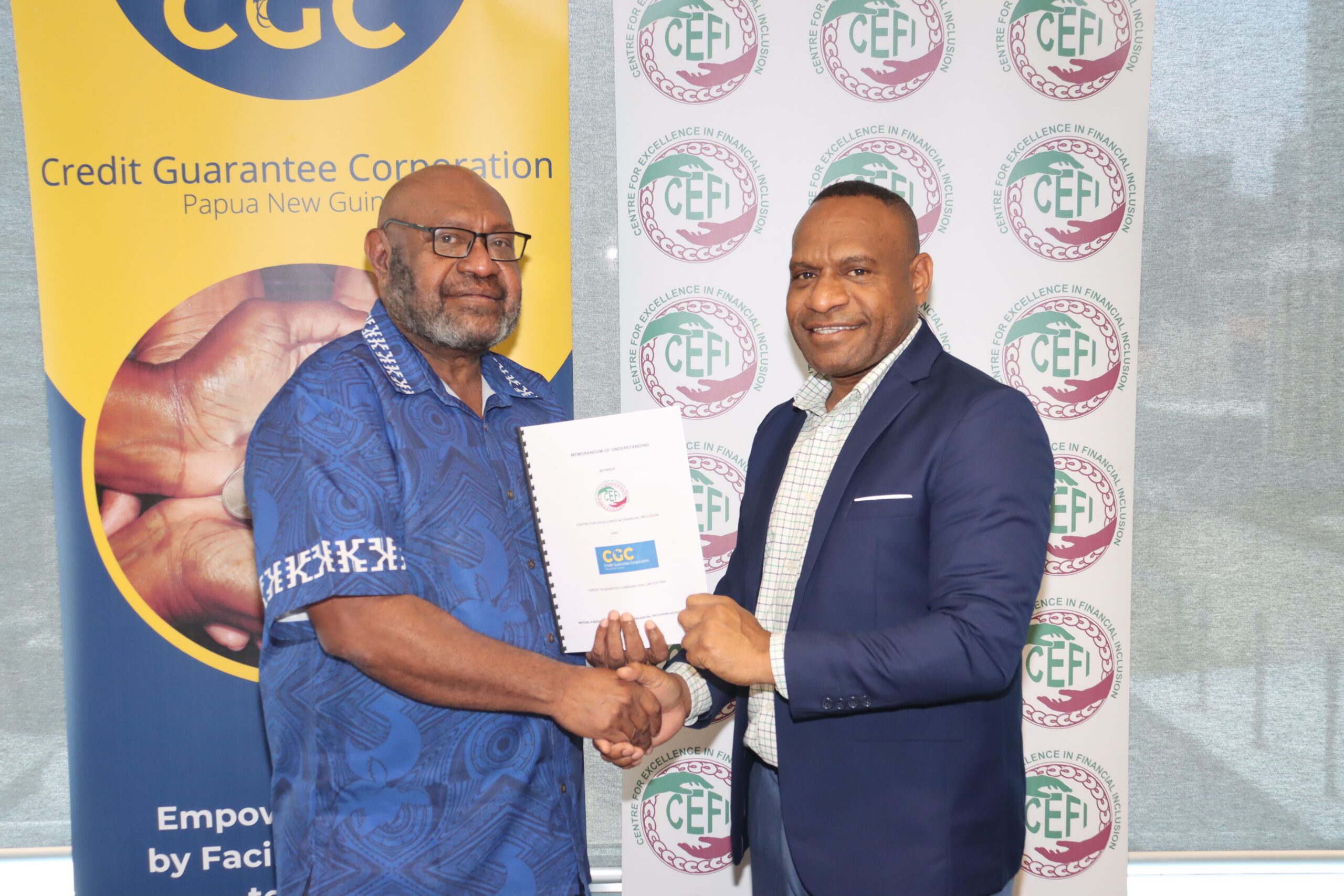
Image 1: CEFI Acting Executive Director, Mr Peter Samuel (right), and Credit Guarantee Corporation (CGC) CEO, Mr Dominic Sikakau, shake hands following the signing of the Memorandum of Understanding (MoU), formalising the partnership between the two organisations.
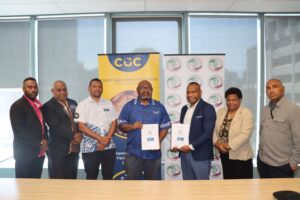
 

Image 2: CEFI Acting Executive Director, Mr Peter Samuel (third from right), and CGC CEO, Mr Dominic Sikakau (fourth from left), display the signed MoU alongside staff from CEFI and CGC. Pictured from left are Mr Albert Mokis Ahabh, NFIS Implementation Coordinator – CEFI; Mr Danny Koka, Manager – NFIS Coordination and Stakeholder Engagement, CEFI; Mr Tony Deklin, Business Operations Manager – CGC; Mr Dominic Sikakau, CEO – CGC; Mr Peter Samuel, Acting Executive Director – CEFI; Ms Shigu Hombunaka, Manager – Financial Inclusion and Capacity Development, CEFI; and Mr Andon Sevua, Manager – Finance and Administration, CEFI (far right).
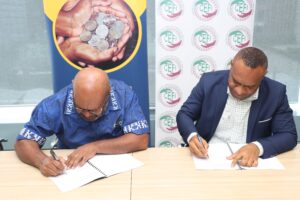
 

Image 3: CEFI Acting Executive Director, Mr Peter Samuel (right), and CGC CEO, Mr Dominic Sikakau, sign the Memorandum of Understanding (MoU), marking the formal commencement of the partnership between the two organisations.
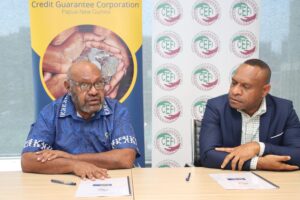
 

Image 4: CEFI Acting Executive Director, Mr Peter Samuel (right), and CGC CEO, Mr Dominic Sikakau, discuss the Memorandum of Understanding (MoU) prior to its signing.


Categories
Media Releases

CEFI and National Department of Education Advance Financial Education Curriculum for Papua New Guinea Schools

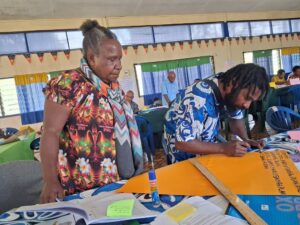
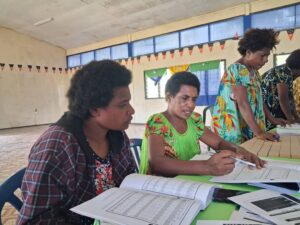
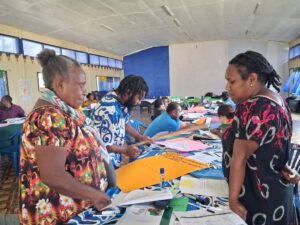
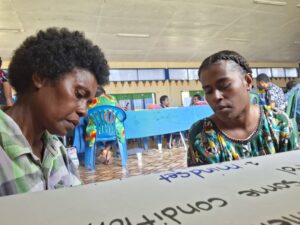
The Centre for Excellence in Financial Inclusion (CEFI), in partnership with the National Department of Education (NDoE) successfully concluded a week-long Financial Education Workshop at Koitaki Country Club in Sogeri, marking another significant milestone towards integrating Financial Education as a standalone subject in Papua New Guinea’s national school curriculum.

The workshop brought together officers from CEFI and NDoE of to review and finalise curriculum materials, including the syllabus, teachers’ guides, student resources and activity books.

The objective of the workshop is to review, align, and synchronize the Financial Education Curriculum documents to ensure consistency, coherence, and quality across all curriculum materials, while strengthening the foundation for effective delivery of financial education to learners in Papua New Guinea.

The workshop aims to ensure that learning outcomes, content, teaching resources, and assessment approaches are aligned with national education standards and support the development of financially capable future generations.

Participants further reviewed the existing Memorandum of Understanding (MoU), and prepared documentation and activities to support Papua New Guinea’s engagement with the Alliance for Financial Inclusion (AFI).

Closing the workshop, CEFI Acting Executive Director Mr Peter Samuel commended the First Assistant Secretary for the Curriculum Development Division (CDD) – DoE, Mr Steven Tandale for his leadership and dedication in developing a comprehensive Financial Education curriculum that will prepare future generations to make informed financial decisions throughout their lives.”

“I would like to acknowledge your leadership and your effort in bringing something that was once at the conceptual stage into this significant body of work,” Mr Samuel said.

“You are not only doing this for us, but you are creating a pathway for change in this country.”

Mr Samuel said the curriculum addresses an important gap in Papua New Guinea’s education system by teaching students’ practical financial skills that many adults never had the opportunity to learn.

“We learnt many academic subjects, but no one taught us how to manage our payslip, understand superannuation, insurance or make sound financial decisions,” he said.

“These are real-life skills that every child should have,” he added.

He said the curriculum would lay the foundation for a financially capable society, enabling young Papua New Guineans to make informed financial decisions, build savings, invest wisely and contribute positively to the nation’s economy.

“When you retire, you will be able to place your hand on your heart and proudly say, ‘I was part of this change.’ You are helping shape the mindset of future generations through education,” he said.

Mr Samuel said the workshop had successfully achieved its objectives, with the next phase focusing on teacher consultations before progressing to printing and nationwide implementation.

He added that CEFI would continue working closely with the DoE, the Bank of Papua New Guinea and development partners to secure funding and explore digital delivery options to ensure the curriculum reached schools throughout the country.

Mr Tandale, reaffirmed CCD-DoE’s commitment to embedding financial education into the national curriculum, describing the initiative as a long-term investment in producing financially responsible citizens.

“The work we are doing is very significant,” Mr Tandale said. “Our goal is to ensure that, in the years ahead, children in our schools will know how to manage their money correctly, whether they earn it or receive it. That is our responsibility.”

Mr Tandale said the curriculum materials had received endorsement through the appropriate education processes and that the DoE would now focus on final editing, design, printing and nationwide distribution.

“We have started this journey and we are almost there,” he said. “The next step is to print the books and deliver them to every school in the country.”

He stressed that every child in Papua New Guinea should benefit equally from the programme.

“We do not want these resources limited to selected provinces,” Mr Tandale said. “They are for the whole country because every child deserves the opportunity to learn essential financial skills.”

Also addressing participants, First Assistant Secretary of the Department of National Planning and Monitoring (DNPM) and CEFI Board Director, Mr Sanja Pepae, described the financial education curriculum as a critical national investment that would strengthen financial capability and support Papua New Guinea’s long-term development aspirations.

“What you have done here is not just for the Department of Education,” Mr Pepae said. “From a national development perspective, this is a significant social investment that will benefit Papua New Guinea for many years to come.”

Mr Pepae said previous generations had received little or no formal financial education and emphasised the importance of teaching practical life skills from an early age.

“We learnt mathematics, english and science, but we were never taught how to manage our personal finances, save for the future or spend wisely,” he said. “These are life skills that every child should have.”

He added that financially literate citizens would contribute to stronger families, increased savings, greater investment and improved economic growth.

“When individuals know how to manage and grow their finances, they contribute more to the nation’s development,” Mr Pepae said. “This is how we build a healthy, prosperous and successful Papua New Guinea.”

Ends.

Captions:

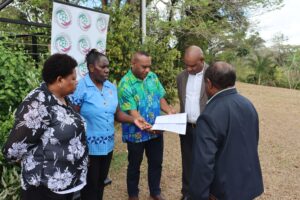
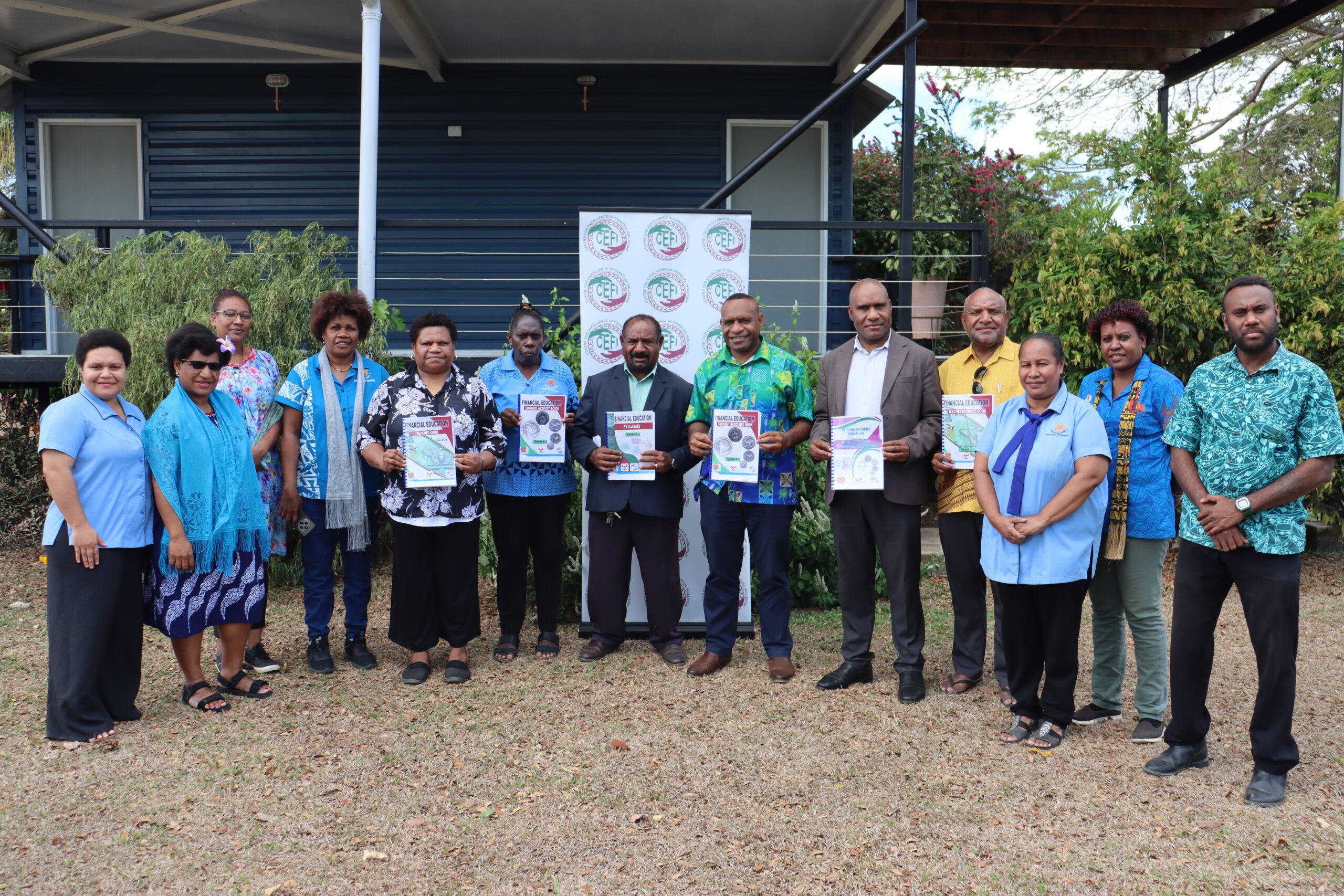
Image 1: First Assistant Secretary of the Department of National Planning and Monitoring (DNPM) and CEFI Board Director, Mr Sanja Pepae (fifth from right), CEFI Acting Executive Director Mr Peter Samuel, and First Assistant Secretary for the Curriculum Development Division (CDD), Department of Education, Mr Steven Tandale, join workshop participants in displaying the completed Financial Education Resource Books developed during the workshop.

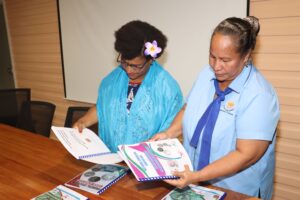
Image 2: CEFI Acting Executive Director Mr Peter Samuel, DNPM First Assistant Secretary and CEFI Board Director Mr Sanja Pepae, CDD First Assistant Secretary Mr Steven Tandale, Assistant Secretary for the Business and Technology Branch Ms Celine Vavetaovi, and CEFI Manager for Financial Inclusion Capacity Development Ms Shigu Hombunaka admire and review one of the completed Financial Education Resource Books.

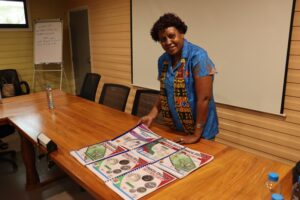
Image 3: Senior officers from the Curriculum Development Division review the completed Financial Education Resource Books during the closing ceremony of the workshop.

Image 4: Curriculum Development Division Senior Officer Ms Ileen Palan proudly reflects on her team’s collaboration with CEFI in developing the Financial Education Resource Books.

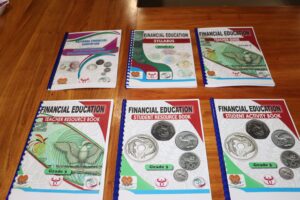
Imager 5: The completed Financial Education Resource Books developed during the week-long workshop.

Image 6: CEFI Acting Executive Director Mr Peter Samuel delivers his closing remarks, thanking the Curriculum Development Division for its strong collaboration in completing the Financial Education Resource Books.

Image 7: DNPM First Assistant Secretary and CEFI Board Director Mr Sanja Pepae addresses CEFI and Curriculum Development Division officers during the closing ceremony of the workshop.

Image 8: First Assistant Secretary for the Curriculum Development Division, Department of Education, Mr Steven Tandale speaks during the closing ceremony of the workshop.

Image 9: Officers from the Curriculum Development Division participate in the Financial Education Workshop.

Image 10: CEFI staff members participate in the Financial Education Workshop.

Image 11: CEFI Acting Executive Director Mr Peter Samuel delivers his opening remarks at the commencement of the workshop.

Image 12: CEFI Acting Executive Director Mr Peter Samuel and Assistant Secretary for the Business and Technology Branch, Curriculum Development Division, Ms Celine Vavetaovi, address participants during the opening session of the workshop.

Image 13: Assistant Secretary for the Business and Technology Branch, Curriculum Development Division, Ms Celine Vavetaovi delivers her remarks during the closing ceremony of the workshop.

About CEFI

CEFI was established under the Association Incorporation Act and officially launched on the 24th of April 2013. CEFI was endorsed by PNG’s National Executive Council (NEC) as the industry apex organization for coordinating, advocating and monitoring all financial inclusion activities in PNG.

CEFI’s vision, mission and values focus on financial inclusion and literacy, poverty elimination and the promotion of vibrant financial institutional operation in Papua New Guinea.

Visit our website – www.thecefi.org

Media Contact:

Mr. Leslie Omaro

Communication Officer

Phone: 79736883

Email: lomaro@thecefi.org


Categories
News Article Uncategorized

Thirty New Financial Literacy Trainers to Champion Financial Inclusion Across Wau-Waria District

Thirty participants have successfully graduated from a five-day Financial Literacy Training of Trainers (ToT) programme delivered by the Centre for Excellence in Financial Inclusion (CEFI) in partnership with the Wau-Waria District Development Authority (WWDDA), marking another significant milestone in advancing financial inclusion and community empowerment in Papua New Guinea.

The training, held from 20–24 July 2026 at Kaindi Hall in Wau Town, brought together participants from across Wau-Waria District to build the knowledge, practical skills and confidence required to deliver financial literacy education within their own communities. Of the 30 graduates, 17 were male and 13 were female, all of whom are now recognised as Certified Financial Literacy Trainers by CEFI.

The programme was facilitated by CEFI Senior Financial Literacy Trainer, Mr Sebastian Mugup, who equipped participants with practical financial management knowledge, effective facilitation techniques and community-based training approaches to support financial education at the grassroots level.

The newly certified trainers will play a vital role in supporting the district’s financial literacy rollout by delivering community-based financial education programmes across wards and Local Level Governments (LLGs), helping more Papua New Guineans develop the skills and confidence to make informed financial decisions.

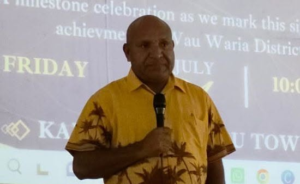
Speaking during the graduation ceremony, Mr Mugup congratulated the participants on their commitment, discipline and enthusiasm throughout the intensive five-day programme.

“Over the past five days, you have developed not only your financial literacy knowledge, but also the confidence and skills required to become effective trainers within your communities,” Mr Mugup said.

He reminded the graduates that their certification carried an important responsibility to serve others by sharing the knowledge they had acquired.

“Today is more than a graduation ceremony. You are graduating as Certified Financial Literacy Trainers, and you now have the responsibility to return to your communities and help people make better financial decisions,” he said.

Mr Mugup encouraged the graduates to work closely with ward councillors, community leaders, women’s groups, youth organisations, savings groups, cooperatives and small businesses to broaden financial literacy awareness throughout the district.

“Our people have money and resources. Your role as trainers is to help them understand how to manage their finances, develop saving habits, plan for the future and make responsible financial decisions that improve their livelihoods,” he said.

He acknowledged the leadership and commitment of the Wau-Waria District Development Authority and the Member for Wau-Waria Open Electorate, Honourable Marsh Narewec, MP, for recognising financial literacy as a key driver of community empowerment and sustainable economic development.

Mr Mugup said the partnership between CEFI and WWDDA demonstrates the value of collaboration between national institutions and district leadership in ensuring financial education reaches communities where it is needed most.

He noted that the initiative directly supports Papua New Guinea’s key national development frameworks, including the National Financial Inclusion Strategy 2023–2027, the National Financial Literacy Strategy, the National Financial Inclusion Policy, Vision 2050, and the Medium-Term Development Plan IV (2023–2027).

According to Mr Mugup, financial literacy is a fundamental pillar of financial inclusion because access to financial services alone is insufficient without the knowledge, skills and confidence to use those services effectively.

“Financial inclusion is not only about access to financial services. It is about ensuring people have the ability to manage their money, save for the future, make informed financial decisions, build assets and improve their livelihoods,” he said.

He added that financial literacy also strengthens entrepreneurship and small business development by equipping individuals with practical skills in budgeting, record-keeping, cash flow management, saving and responsible financial planning.
The National Financial Inclusion Strategy 2023–2027 identifies financial capability and financial education as essential enablers for increasing participation in the formal financial system and ensuring Papua New Guineans are able to make effective use of available financial products and services.

Wau-Waria District Development Authority Chief Executive Officer, Mr John Orebut, welcomed the initiative and encouraged community leaders, LLG managers and residents to support the district’s vision of establishing trained financial literacy trainers across every ward.

“In Papua New Guinea, many people do not have a strong culture of saving. It is important that these skills are shared throughout our communities so our people can better manage their hard-earned income and improve their financial wellbeing,” Mr Orebut said.
The graduation marks an important milestone for Wau-Waria District as it establishes a growing network of local financial literacy trainers committed to strengthening financial capability, promoting responsible money management and improving household financial resilience throughout the district.

Through the CEFI–WWDDA partnership, the 30 certified trainers will serve as financial literacy champions, helping individuals, families and communities adopt better saving habits, make informed financial decisions, strengthen household financial management and build more resilient and prosperous communities.

CEFI remains committed to working with government agencies, financial service providers, development partners and community organisations to expand financial inclusion and strengthen financial capability across Papua New Guinea.

Ends.

Caption for Images.

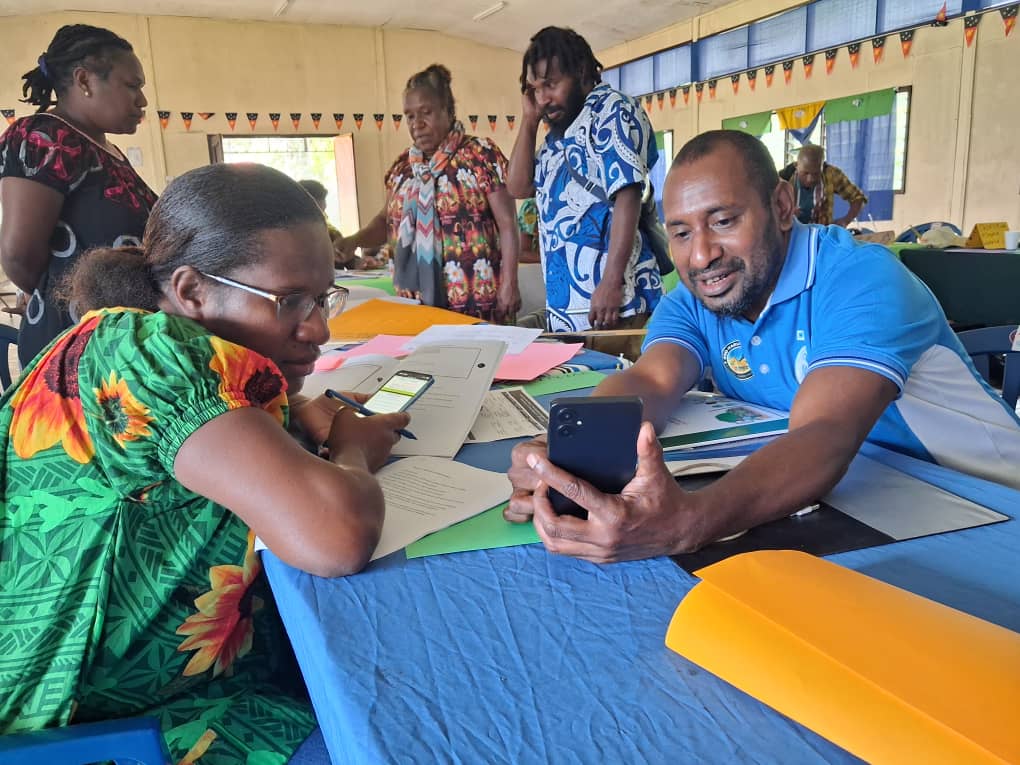
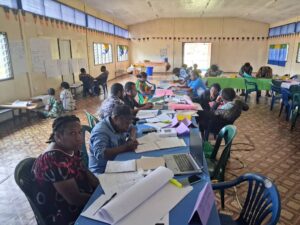
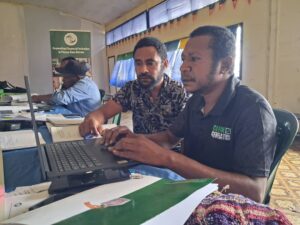
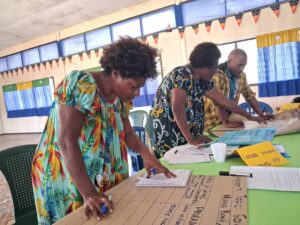
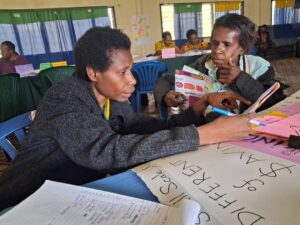
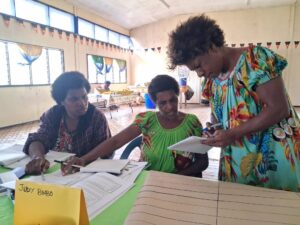
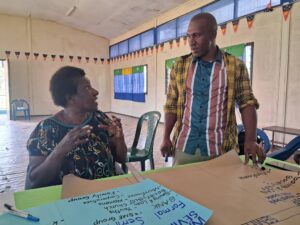
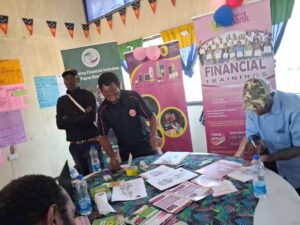
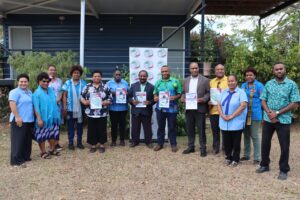
Caption 1 – Images of  participants take part in the five-day Financial Literacy Training of Trainers (ToT) programme delivered by the Centre for Excellence in Financial Inclusion (CEFI) in partnership with the Wau-Waria District Development Authority (WWDDA). The programme equipped participants with the knowledge, practical skills and confidence to deliver financial literacy education within their communities across Wau-Waria District. male and 13 were female, all of whom are now recognised as Certified Financial Literacy Trainers by CEFI.

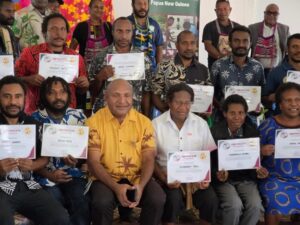
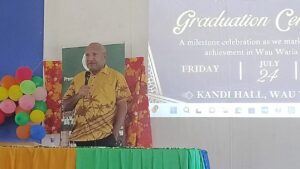
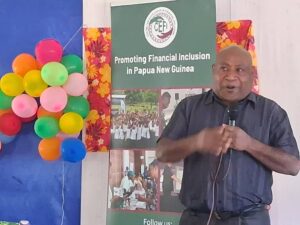
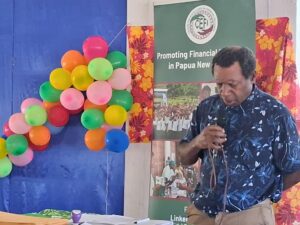
Caption 2Images from the Training of Trainers (ToT) graduation ceremony, where 30 participants successfully completed the programme and were recognised as Certified Financial Literacy Trainers by CEFI. The graduating cohort comprised 17 men and 13 women, who will now serve as financial literacy champions, promoting responsible financial management and financial inclusion throughout Wau-Waria District.

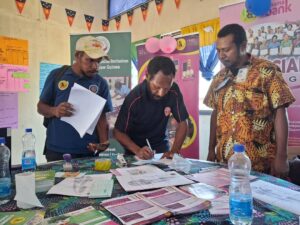
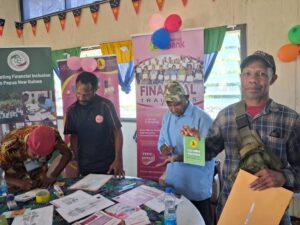
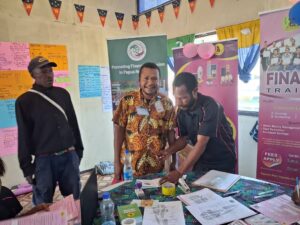
Caption 3Training of Trainers (ToT) participants put their newly acquired financial literacy skills into practice by opening new bank accounts with Women’s Micro Bank. The initiative reinforces the importance of applying sound financial knowledge through saving, responsible money management and participation in the formal financial system.


About CEFI

CEFI was established under the Association Incorporation Act and officially launched on the 24th of April 2013. CEFI was endorsed by PNG’s National Executive Council (NEC) as the industry apex organization for coordinating, advocating and monitoring all financial inclusion activities in PNG.

CEFI’s vision, mission and values focus on financial inclusion and literacy, poverty elimination and the promotion of vibrant financial institutional operation in Papua New Guinea.

Visit our website – www.thecefi.org

Media Contact:

Mr. Leslie Omaro

Communication Officer

Phone: 79736883

Email: lomaro@thecefi.org


Categories
News Article

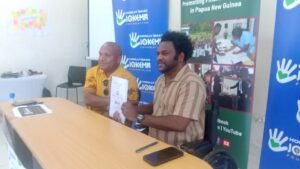
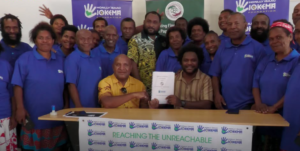
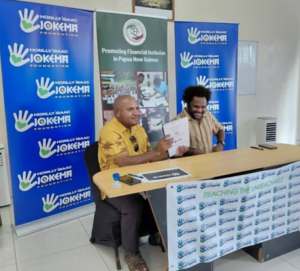
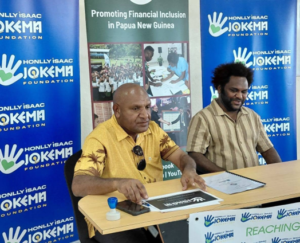
CEFI and Honlly Isaac Jokema Foundation Partner to Expand Financial Literacy Across Morobe Province

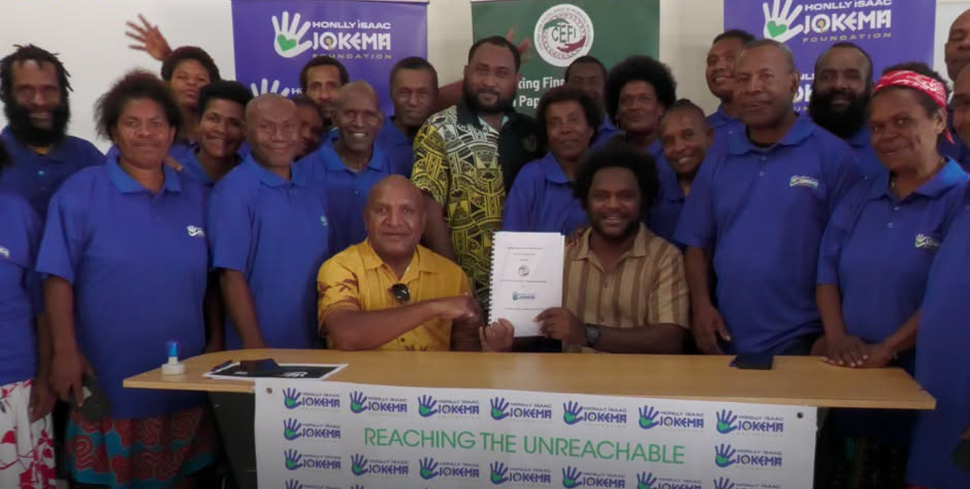
The Centre for Excellence in Financial Inclusion (CEFI) and the Honlly Isaac Jokema Foundation have signed a three-year Memorandum of Understanding (MoU) to deliver financial literacy training throughout Morobe Province, strengthening financial capability, promoting financial inclusion, and supporting sustainable livelihoods across rural communities.

The MoU was signed at Jokema Lodge in Lae, marking the beginning of a strategic partnership that will expand financial literacy programmes across Morobe Province’s ten districts.

The initiative will focus on equipping rural farmers, women, youth, persons with disabilities, and other underserved communities with practical financial knowledge and skills to improve money management, increase savings, and strengthen household and business finances.

The Honlly Isaac Jokema Foundation is a community-based organisation dedicated to supporting agriculture, youth development, community empowerment, and sustainable livelihoods throughout Morobe Province.

Through the partnership, the Foundation and CEFI will work together to ensure financial education reaches communities where it is needed most.

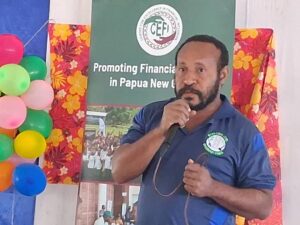
Speaking at the signing ceremony, CEFI Senior Financial Literacy Trainer, Mr Sebastian Mugup, welcomed the partnership, describing it as a significant step towards expanding financial literacy services to rural and underserved communities across Morobe.

“CEFI is pleased to partner with the Honlly Isaac Jokema Foundation to deliver financial literacy training throughout the ten districts of Morobe Province. This partnership reflects our shared commitment to empowering communities with practical financial knowledge and skills that can transform lives,” Mr Mugup said.

Mr Mugup said financial literacy remains a cornerstone of financial inclusion, enabling individuals and families to manage their finances responsibly, develop sound saving habits, plan for the future, and participate confidently in the formal financial system.

He said the programme would strengthen positive financial behaviours by promoting practical money management skills among rural farmers, women, youth, and persons with disabilities.

“When people understand how to budget, save, plan, and make informed financial decisions, they are better equipped to improve household incomes, build sustainable livelihoods, and create opportunities for future generations,” he said.

Mr Mugup said the initiative directly supports the Government of Papua New Guinea’s key development frameworks, including the National Financial Inclusion Strategy (NFIS) 2023–2027, the National Financial Inclusion Policy, the National Financial Literacy Strategy, the Micro, Small and Medium Enterprise (MSME) Policy, Vision 2050, the PNG Strategic Development Plan 2030, and the Medium-Term Development Plan IV (2023–2027).

He noted that these national policies recognise financial capability as a critical driver of inclusive economic growth, poverty reduction, entrepreneurship, and community empowerment.

“Financial inclusion is not only about access to financial services. It is about ensuring people have the knowledge, skills and confidence to use those services responsibly. Financial literacy equips people with practical skills in budgeting, saving, financial planning, responsible borrowing and informed decision-making. These skills strengthen households, support small businesses and contribute to more resilient communities,” Mr Mugup said.
He added that financial literacy is fundamental to the success of micro, small and medium enterprises by improving financial management practices such as budgeting, record keeping, cash flow management, savings, responsible borrowing and business planning.
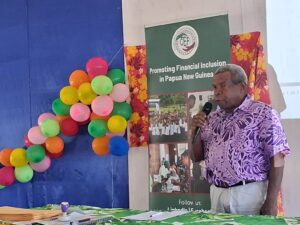
Founder and Chairman of the Honlly Isaac Jokema Foundation, Mr Honlly Isaac Jokema, described the agreement as a significant investment in the people of Morobe Province.
“We are honoured to partner with the Centre for Excellence in Financial Inclusion to bring financial literacy training to the people of Morobe. This partnership is about investing in our people and giving them the knowledge and confidence to make better financial decisions that will improve their lives,” Mr Jokema said.

He said many coffee and cocoa farmers, fresh produce growers, women, youth and rural families worked hard to earn an income but had limited opportunities to develop practical financial management skills.

“Our farmers work tirelessly every day, yet many have never had the opportunity to learn practical skills in budgeting, saving, planning and managing their finances. This programme will help bridge that gap.”

Mr Jokema said financial literacy was just as important as agricultural production because earning an income alone did not necessarily translate into improved household wellbeing.

“When our farmers learn how to budget, save, invest wisely and plan for the future, they are better positioned to improve household incomes, educate their children, expand their farming activities and build more secure futures for their families.”

He reaffirmed the Foundation’s commitment to working closely with CEFI over the next three years to ensure financial literacy training reaches communities across all ten districts of Morobe Province.

“Our vision is to see every district, every Local Level Government and every rural community benefit from this programme. We want our people to develop a strong savings culture, become financially responsible and use their earnings to create lasting opportunities for future generations.”

Mr Jokema said the partnership reflected a shared commitment to empowering people through education, strengthening rural economies and building resilient communities that contribute to the sustainable development of Morobe Province and Papua New Guinea.

Under the three-year agreement, CEFI and the Honlly Isaac Jokema Foundation will collaborate to deliver community-based financial literacy programmes, strengthen local training capacity and improve household financial management throughout Morobe Province. The programme will also support farmers, entrepreneurs and community groups to strengthen business practices, increase savings and make informed financial decisions that contribute to long-term economic resilience.

The partnership represents another important milestone in advancing Papua New Guinea’s financial inclusion agenda by ensuring practical financial education reaches grassroots communities where it can deliver the greatest impact. Through strategic partnerships such as this, CEFI continues to strengthen financial capability, promote financial inclusion and empower Papua New Guineans to build more secure, resilient and prosperous futures.

Ends


About CEFI

CEFI was established under the Association Incorporation Act and officially launched on the 24th of April 2013. CEFI was endorsed by PNG’s National Executive Council (NEC) as the industry apex organization for coordinating, advocating and monitoring all financial inclusion activities in PNG.

CEFI’s vision, mission and values focus on financial inclusion and literacy, poverty elimination and the promotion of vibrant financial institutional operation in Papua New Guinea.

Visit our website – www.thecefi.org

Media Contact:

Mr. Leslie Omaro

Communication Officer

Phone: 79736883

Email: lomaro@thecefi.org


Join our Mailing list!

Get all latest news, exclusive deals and academy updates.